
Throughout the year, Myanmar comes alive with festivals that celebrate religion, community, and cultural heritage. Many of these events are based on the traditional Buddhist lunar calendar, while others honor the customs of the country's many ethnic groups. Understanding the Myanmar festival calendar allows travelers to experience Myanmar beyond its famous pagodas, offering opportunities to take part in local celebrations, witness age-old rituals, and discover traditions that have been preserved for generations.
Myanmar Festival Calendar by Month
Understanding the Myanmar festival calendar is one of the most useful things a traveler can do before booking a trip to this culturally rich Southeast Asian destination. Myanmar's festivals are deeply tied to the Buddhist lunar calendar, agricultural cycles, and centuries-old ethnic traditions, which means dates shift slightly from year to year. Having spent years researching and organizing itineraries around festivals in Myanmar, we have found that timing a visit around one of these celebrations transforms an ordinary sightseeing trip into an immersive cultural experience. Many travelers who join Myanmar tours specifically request their trip be scheduled around a major festival, since it offers a rare window into local life that temples and pagodas alone cannot provide.
Below is a month-by-month overview of the country's most significant celebrations to help you plan ahead.
| Month | Festival | Region/Significance |
| January | Naga New Year Festival | Sagaing Region, ethnic Naga tradition |
| January/February | Ananda Pagoda Festival | Bagan, one of the oldest pagoda festivals |
| February | Union Day | Nationwide public holiday |
| March | Shwedagon Pagoda Festival | Yangon, major pilgrimage event |
| April | Thingyan Water Festival | Nationwide, Myanmar New Year |
| May | Kason Festival | Nationwide, watering the Bodhi tree |
| July | Waso (Beginning of Buddhist Lent) | Nationwide, monk ordination ceremonies |
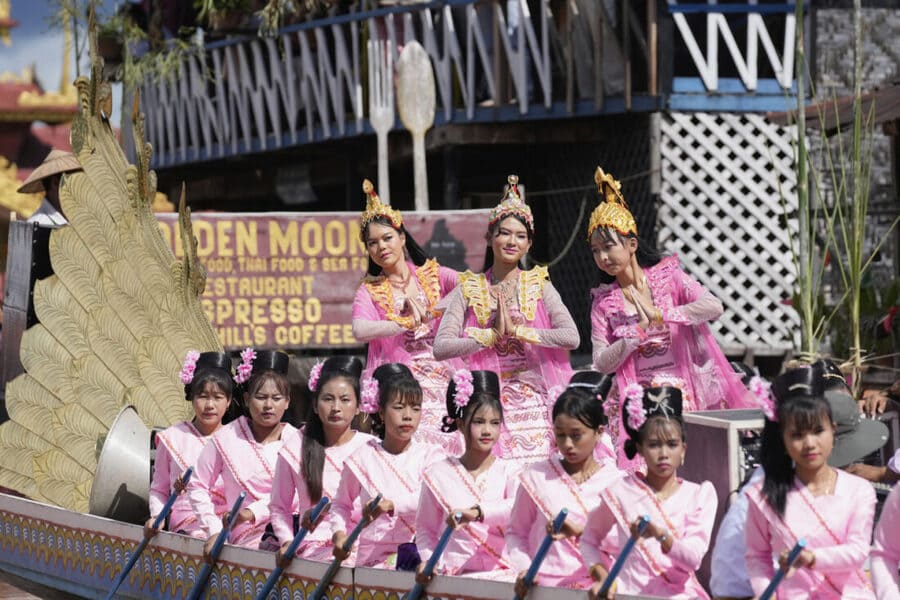
| September/October | Boat Racing Festival | Inle Lake, Shan State |
| October | Thadingyut Festival | Nationwide, Festival of Lights |
| November | Tazaungdaing Festival | Nationwide, especially Taunggyi |
| November | Taunggyi Balloon Festival | Taunggyi, Shan State |
| December | Kayin (Karen) New Year | Karen State communities |
This table reflects a general Myanmar festivals calendar, though exact dates change annually based on the traditional lunar calendar, so it is worth confirming specific dates closer to your travel window.
The Most Popular Festivals in Myanmar
While Myanmar celebrates dozens of regional and ethnic events throughout the year, a handful of Myanmar traditional festivals stand out for their scale, cultural depth, and appeal to international visitors.
Thingyan Water Festival
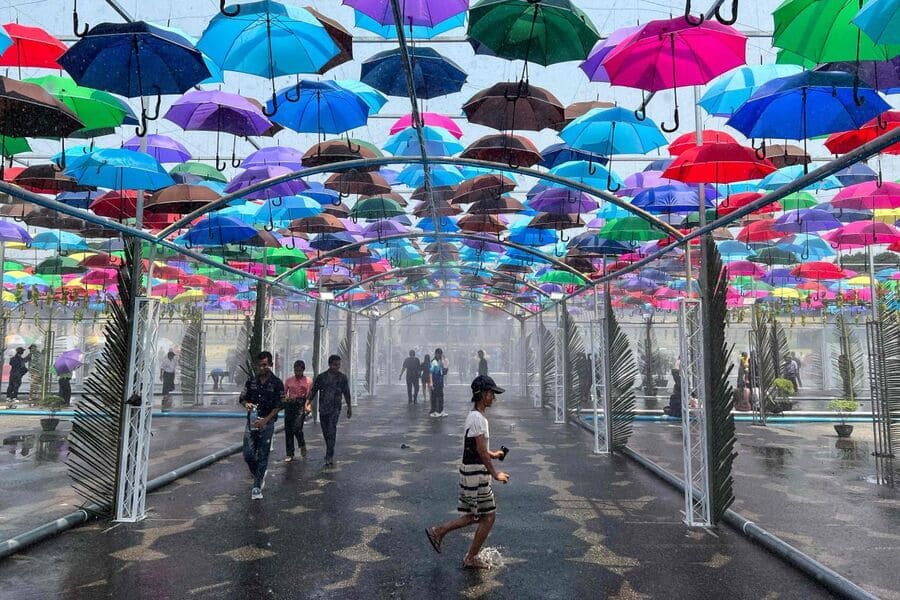
Thingyan, held in mid-April, is Myanmar's most famous celebration and marks the traditional New Year. For four to five days, streets across Yangon, Mandalay, and Bagan turn into open-air water fights, with locals and visitors alike drenching each other as a symbolic act of washing away the previous year's misfortunes. Beyond the water throwing, Thingyan carries genuine religious meaning, with families visiting pagodas, offering alms to monks, and freeing caged birds and fish as gestures of merit-making.
From firsthand observation, the energy in Mandalay during Thingyan is particularly memorable, as pandal stages line the main roads with music, dancing, and enormous water tanks. Visitors should expect nearly everything to get wet, including phones and cameras, so waterproof bags are essential.
Thadingyut Festival
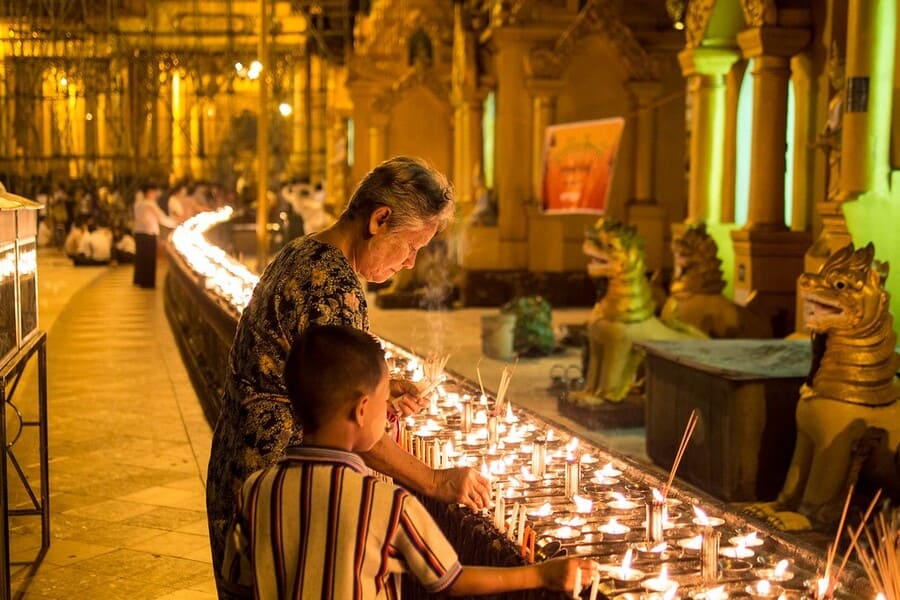
Known as the Festival of Lights, Thadingyut takes place in October and marks the end of Buddhist Lent (Waso) and the Buddha's descent from heaven after preaching to his mother. Homes, monasteries, and pagodas across the country are illuminated with candles, oil lamps, and increasingly, electric lights. It is considered one of the most peaceful and visually striking of all Myanmar public festivals, offering a gentler contrast to the boisterous energy of Thingyan.
This is also a traditional time for young people to pay respects to elders, teachers, and monks, making it a meaningful period to witness authentic family customs rather than large-scale public spectacle.
Tazaungdaing Festival
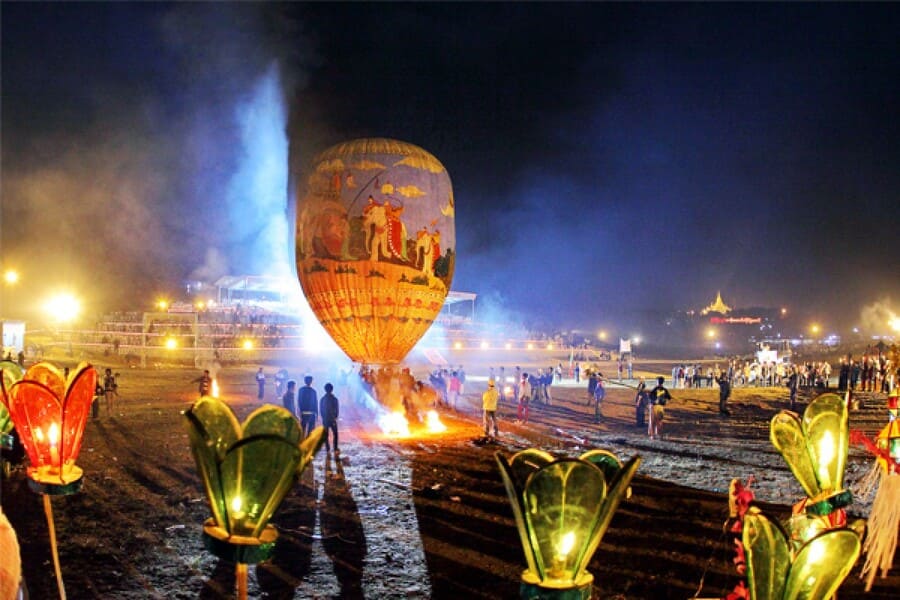
Held on the full moon of Tazaungmon, typically in November, Tazaungdaing is best known for the lighting of hot air balloons and paper lanterns released into the night sky. The festival also involves the Matho Thingan robe-weaving competition, where teams of women race through the night to weave monk robes before dawn. Tazaungdaing overlaps closely with harvest celebrations, reflecting Myanmar's deep agricultural roots.
Taunggyi Balloon Festival
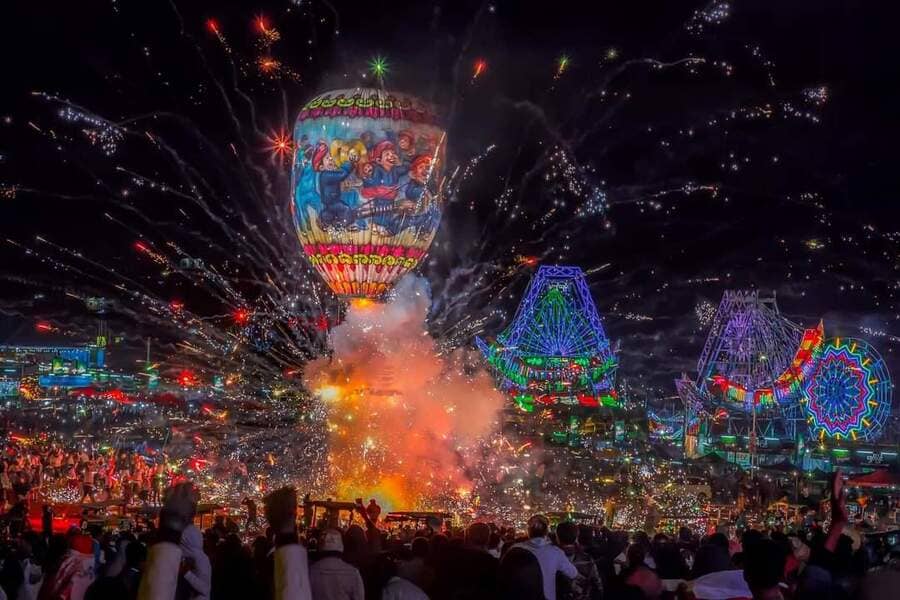
A regional highlight within the broader Tazaungdaing celebrations, the Taunggyi Balloon Festival in Shan State is one of the most visually spectacular events in the country. Enormous hand-crafted hot air balloons, some shaped like animals and cartoon characters, are launched by day, while at night, balloons rigged with fireworks light up the sky. It draws large domestic crowds, and international visitors who plan carefully are rewarded with an unforgettable display of craftsmanship and community spirit.
Myanmar Festivals Calendar for Travelers
Which festivals are best for first-time visitors?
For travelers experiencing Myanmar for the first time, Thingyan and Thadingyut are generally the most accessible and rewarding. Thingyan offers an energetic, participatory experience that requires little cultural background to enjoy, while Thadingyut provides a calmer, more reflective introduction to Buddhist customs. The Taunggyi Balloon Festival is also excellent for first-timers who want a single, concentrated spectacle rather than a nationwide event spread across many days.
We generally advise against attempting to cover multiple major festivals in one short trip, since travel between regions during festival periods can be slow and accommodation fills quickly. Choosing one or two festivals aligned with your itinerary tends to produce a far more satisfying trip.
Festival etiquette and dress code
Respectful dress remains important even during the more relaxed festivals. When visiting pagodas or monasteries as part of any celebration, shoulders and knees should be covered, and shoes must be removed before entering temple grounds. During Thingyan, quick-dry clothing is practical, but modesty still matters, particularly for women, as overly revealing clothing can draw unwanted attention.
At quieter festivals like Thadingyut, visitors should observe rather than intrude on family rituals unless invited to participate. A polite smile, a small bow of the head, and asking permission before photographing individuals go a long way in Myanmar's traditionally courteous culture.
Photography tips during festivals
Lighting festivals such as Thadingyut and Tazaungdaing are best photographed at dusk, when the sky still holds some color behind the glowing lanterns. A tripod is highly recommended for low-light shots of candle-lit pagodas. For Thingyan, protective waterproof housing for cameras is non-negotiable, and many experienced photographers opt for a simple action camera rather than risking expensive equipment. At the Taunggyi Balloon Festival, arriving early to secure a position near the launch field makes a significant difference, as crowds grow dense by late afternoon.
Tips for Planning Your Trip Around Myanmar Festivals
Booking accommodation early
Hotels in festival hubs such as Mandalay during Thingyan or Taunggyi during the balloon festival can sell out months in advance, with prices rising accordingly. Booking accommodation at least three to four months ahead is a practical rule of thumb, particularly for well-known guesthouses close to festival grounds.
Transportation during festival seasons
Domestic flights and long-distance buses often operate at reduced or altered schedules during major Myanmar cultural festivals, especially Thingyan, when many businesses close for nearly a week. Travelers should confirm transport bookings in advance and build in flexibility, since some routes may be affected by road closures for street celebrations or balloon launch zones.
Weather and regional differences
Myanmar's climate varies significantly by region, and this affects the festival experience. Thingyan in April coincides with the hottest, driest part of the year, making water festivities a welcome relief from the heat. By contrast, Thadingyut and Tazaungdaing in October and November fall within the cooler, drier season, considered by many experienced travelers to be the most comfortable time to explore the country overall. Shan State, home to Taunggyi and Inle Lake, tends to be noticeably cooler in the evenings than lowland cities like Yangon or Mandalay, so packing a light jacket for festival nights is a good idea.
Frequently Asked Questions About the Myanmar Festival Calendar
What is the biggest festival in Myanmar?
Thingyan, the Water Festival marking Myanmar's traditional New Year in mid-April, is widely regarded as the country's biggest and most widely celebrated festival. It is observed nationwide and draws significant participation from both locals and international visitors.
When is the best month to visit Myanmar?
October through February generally offers the most comfortable weather for travel, coinciding with the Thadingyut and Tazaungdaing festival season. Those specifically interested in Thingyan should plan for mid-April, despite the higher temperatures during that period.
Are Myanmar festival dates the same every year?
No. Many of Myanmar's major celebrations, including Thingyan, Thadingyut, and Tazaungdaing, follow the traditional lunar calendar rather than fixed solar dates, so the exact days shift from year to year. It is always advisable to check confirmed dates a few months before travel.
Which Myanmar festivals are most suitable for tourists?
Thingyan, Thadingyut, and the Taunggyi Balloon Festival are generally considered the most tourist-friendly, thanks to their accessibility, visual appeal, and welcoming atmosphere toward visitors. These three events also tend to have the most established tourism infrastructure, including guided tours and festival-specific accommodation packages, making them a reliable starting point when building a Myanmar itinerary around the Myanmar festival calendar.