
For centuries, the art of Yoke Thé has captivated audiences across Myanmar with its intricate movements, elaborate costumes, and deeply rooted cultural significance. Long before cinema, television, or modern entertainment, Burmese communities gathered beneath open-air pavilions to watch master puppeteers breathe life into wooden figures, enacting stories of kings, spirits, and ancient heroes. Today, this remarkable tradition remains one of the most distinctive cultural experiences available to travelers exploring myanmar tours, offering an intimate window into the soul of Burmese civilization that no museum exhibit or guidebook can fully replicate.
Whether you are an art enthusiast, a cultural traveler, or simply someone searching for something beyond the ordinary, understanding Yoke Thé means understanding Myanmar itself.
What Is Yoke Thé?
Yoke Thé is the traditional form of myanmar marionette puppetry, a classical performing art in which elaborately crafted wooden puppets are manipulated by strings to perform complex narratives on stage. The term itself comes from the Burmese language, where "yoke" refers to the puppets and "thé" relates to the theatrical performance. Unlike simple hand puppets, these marionettes are sophisticated creations that can replicate nuanced human gestures, delicate dance movements, and even subtle facial expressions through skillful manipulation.
A single puppet can be controlled by as many as 60 strings, each attached to different parts of the figure's body, including fingers, eyebrows, and even the tip of the nose. This level of technical complexity demands years of dedicated practice, making Yoke Thé one of the most demanding traditional art forms in all of Southeast Asia.
What makes burmese puppetry truly extraordinary is the synthesis it represents. It is not merely a form of entertainment but a vessel for mythology, royal history, Buddhist teachings, and cultural values that have been passed down through generations of performers.
The History Of Yoke Thé And Burmese Puppetry
The origins of myanmar puppetry can be traced back to the Konbaung Dynasty, which ruled Burma from 1752 to 1885. Historical records suggest that marionette theater was formally established during the reign of King Hsinbyushin in the 18th century, when royal patronage elevated it from folk entertainment to a refined court art.
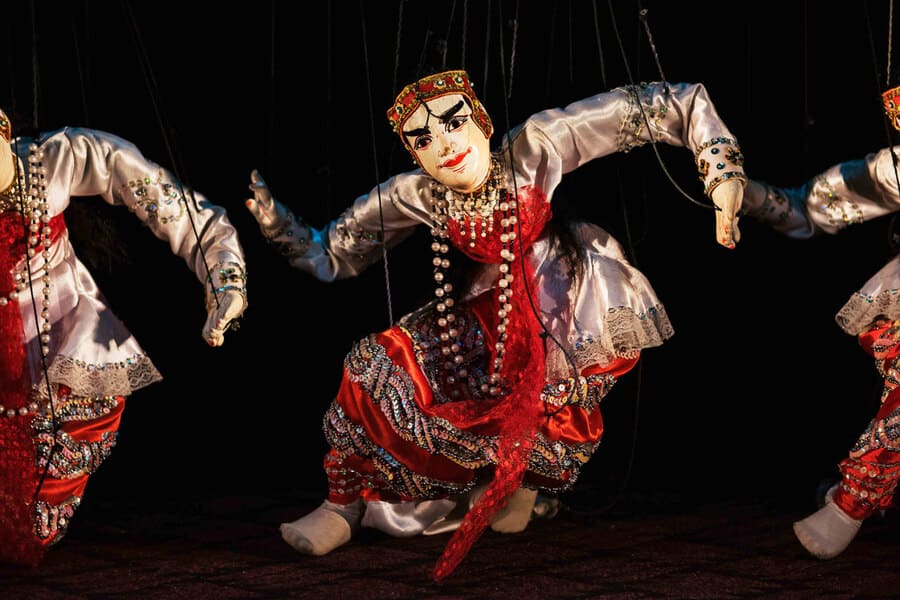
During this golden era, Yoke Thé performances were held at royal palaces and important festivals. The art form was considered so sacred and prestigious that it was actually ranked above human dance performance. Classical Burmese dance drama, known as zat pwe, is believed to have borrowed many of its foundational movements and stylistic conventions directly from burmese puppetry traditions.
The British colonial period (1885 to 1948) dramatically altered the landscape of Burmese performing arts. As Western entertainment and cinema gained popularity, traditional art forms including Yoke Thé began to decline. The royal patronage system collapsed, and many master puppeteers lost their primary source of support and income.
Following independence, there were periodic efforts to revive myanmar marionette puppetry as part of broader cultural preservation movements. However, the art form never fully recaptured its former prominence. Today, a small but dedicated community of performers continues to keep the tradition alive, supported by cultural institutions, tourism revenue, and the sincere passion of individual artists who consider themselves custodians of an irreplaceable heritage.
How Yoke Thé Puppets Are Made
Traditional Materials And Craftsmanship
The creation of a Yoke Thé puppet is itself an art form requiring exceptional skill and patience. Traditionally, puppets are crafted from lightweight hardwoods, most commonly dari wood (a type of fig tree), which is prized for its manageable weight and smooth grain. The construction process can take weeks or even months for a single figure, depending on the complexity of the puppet's design and the intricacy of its costume.
Artisans who specialize in puppet making are typically trained within family workshops where knowledge and technique are passed directly from one generation to the next. This transmission of craft ensures consistency in both artistic style and structural integrity across centuries of production.
Hand-Carved Wooden Puppets
Each puppet begins as a block of raw wood that is carefully shaped using traditional chisels and knives. The carver pays meticulous attention to proportional accuracy, ensuring that the puppet's limbs, head, and torso maintain the correct anatomical balance needed for fluid movement during performance. Joints at the knees, elbows, shoulders, hips, and wrists are engineered to allow a wide range of motion without compromising the puppet's overall structural stability.
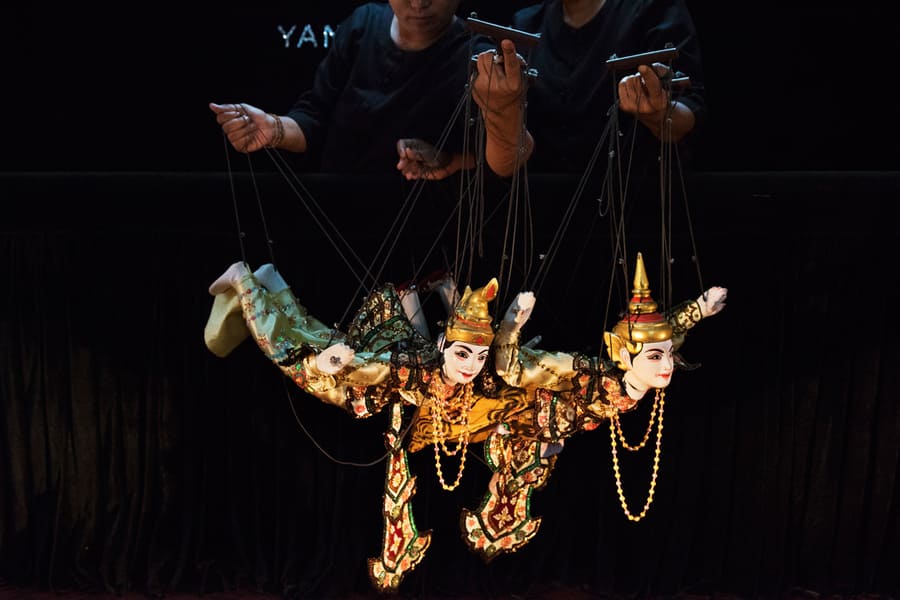
The head is carved with particular care, as it must convey character and emotion through static features. Eyes, eyebrows, cheekbones, and lips are sculpted to reflect the social status and personality of the character being portrayed. A royal figure will have refined, symmetrical features, while a demon or antagonist character might carry exaggerated or asymmetrical expressions.
Once the carving is complete, the puppet is sanded smooth, primed, and painted using natural pigments mixed with lacquer to create a durable, glossy finish that can withstand the rigors of repeated performance.
Costumes, Colors, And Symbolism
The costumes worn by Yoke Thé puppets are miniature masterpieces of traditional Burmese textile art. Each garment is hand-stitched using silk, velvet, and metallic brocade, with decoration that includes sequins, glass beads, and gold thread embroidery. The level of detail mirrors the elaborate costumes worn by performers in human theatrical traditions, reinforcing the historical connection between myanmar marionette puppetry and classical dance drama.
Color plays a deeply symbolic role in Yoke Thé costume design. Gold and yellow tones are associated with royalty and divine power. Red signifies courage, passion, and warriors. Green is linked to nature, growth, and spirits of the forest. White conveys purity and is often used for celestial or holy characters.
A standard traditional repertoire features 28 character types, each with a specific design, color scheme, and set of behavioral characteristics. These include the king and queen, the prince and princess, the court jester, the hermit sage, the white elephant, the horse, various mythical creatures, and several types of supernatural beings.
What Stories Are Told Through Yoke Thé?
The narrative content of burmese puppetry draws primarily from two major sources. The first is the Jataka Tales, which are Buddhist stories recounting the previous lives of the Buddha. These tales carry moral and spiritual lessons that were considered essential for educating the population in Buddhist values. Watching a performance was not merely entertainment but a form of religious and ethical instruction.
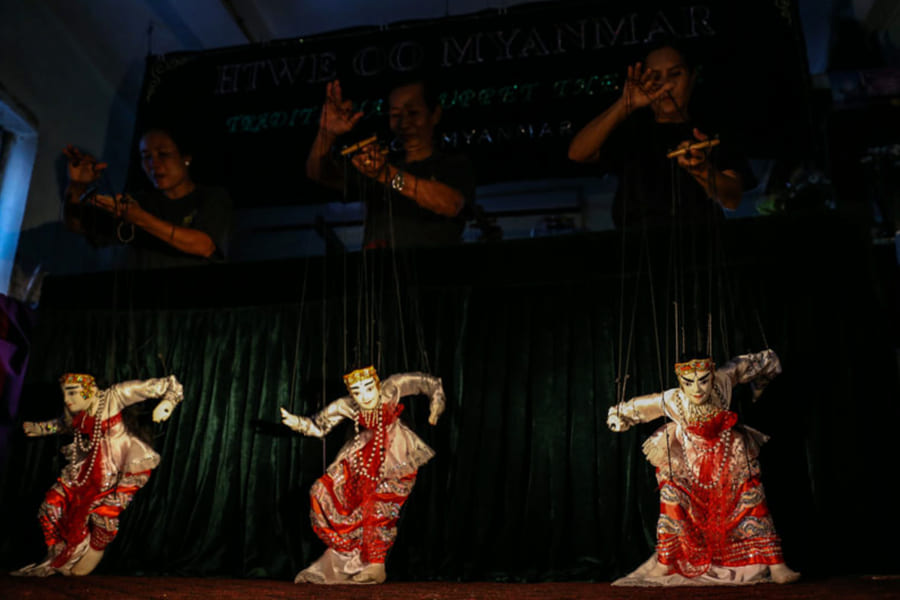
The second major source is the Ramayana, specifically the Burmese adaptation known as the Yama Zatdaw. This epic narrative follows the hero Rama on his quest to rescue his wife Sita from the demon king Ravana, and it provides rich dramatic material with complex characters, grand battles, romance, and supernatural elements that showcase the full range of puppetry technique.
Beyond these classical sources, Yoke Thé performances have also historically incorporated contemporary social commentary, humor, and even political satire delivered through the jester character known as the Hsa Hpaw. This clown figure, who operates outside the rigid social hierarchy depicted in the main narrative, has traditionally been granted a degree of creative freedom to comment on real-world events, making myanmar puppetry a living, evolving art form rather than a purely preserved relic.
The Price of Burmese Marionette Puppetry Show
Ticket prices for Yoke Thé performances vary depending on the venue, the length of the show, and whether the event is a cultural demonstration or a full traditional performance.
At dedicated puppet theaters in Yangon and Mandalay, admission for tourists typically ranges from 5,000 to 15,000 Myanmar Kyat (approximately 2 to 7 USD) for standard shows. Some higher-end cultural venues that offer more elaborate productions with larger ensembles and longer narratives may charge between 20,000 and 30,000 Kyat per person.
Hotel-hosted cultural evenings, which often include myanmar marionette puppetry alongside other performing arts demonstrations, are usually priced as part of a dinner package and can range from 25 to 50 USD per person depending on the property and included meal.
For travelers on a budget, attending a community festival or government-sponsored cultural event can provide an opportunity to witness Yoke Thé performances at little or no cost, though these events may be less frequent and harder to schedule around.
Where To Watch Yoke Thé Performances In Myanmar
Traditional Puppet Theaters In Yangon
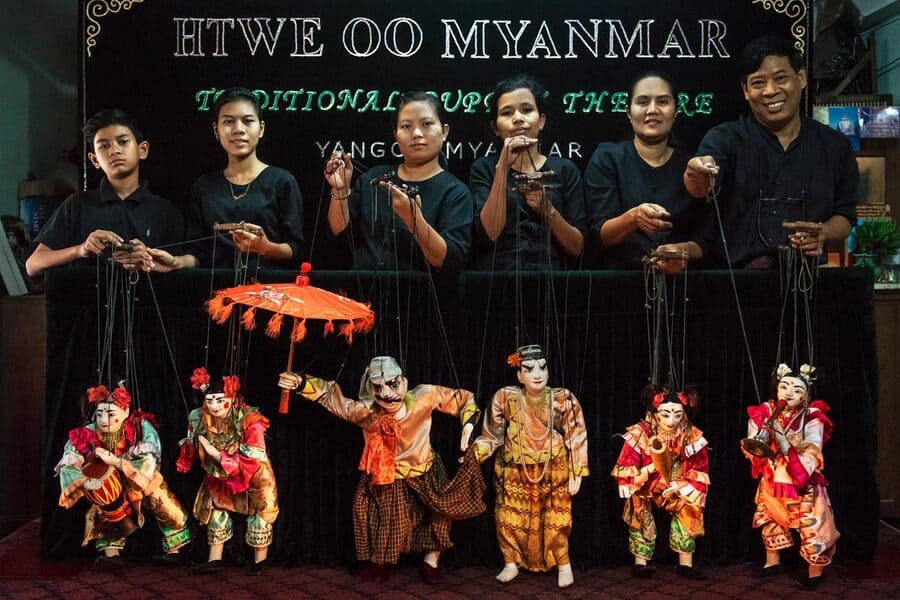
Yangon, as Myanmar's largest city and commercial hub, offers the most accessible options for visitors hoping to experience burmese puppetry. The Htwe Oo Myanmar Puppet Theatre in Bahan Township is one of the most well-regarded venues in the city, offering regular evening performances that cater to both tourists and local enthusiasts. The theater presents traditional repertoire pieces alongside cultural narration that helps non-Burmese audiences understand the stories being told.
Several hotels in the Yangon downtown area also host weekly cultural evenings that feature Yoke Thé demonstrations as part of a broader showcase of Burmese traditional arts, making them a convenient option for visitors with limited time.
Cultural Shows In Mandalay
Mandalay holds a special significance in the history of myanmar puppetry, as it was the seat of the last Burmese royal court and the primary center of classical performing arts during the Konbaung period. Several dedicated performance venues operate in the city, with the Mandalay Marionettes Theatre being among the most respected and long-running.
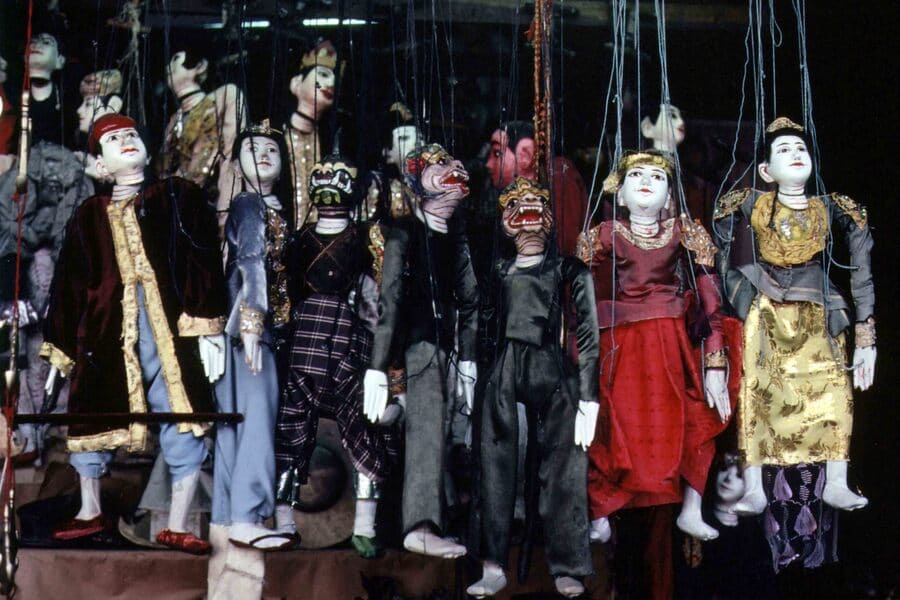
This theater has been producing professional Yoke Thé performances for several decades and is operated by artists who have devoted their careers to preserving authentic traditions while making them accessible to international audiences. Shows typically run for approximately 45 minutes to one hour and feature multiple puppet characters performing different segments from the classical repertoire.
Festivals And Special Cultural Events
The most immersive way to experience Yoke Thé in its traditional context is during Myanmar's major festivals and religious celebrations. The Ananda Temple Festival held annually in Bagan, one of the most significant Buddhist festivals in the country, often features myanmar marionette puppetry performances as part of its cultural programming. Similarly, the Thingyan Water Festival and various pagoda festivals throughout the country can include puppet theater presentations.
Travelers planning visits around these festivals should consult with local cultural organizations or reputable tour operators in advance to confirm performance schedules, as these events can vary from year to year.
Frequently Asked Questions About Yoke Thé
What Does Yoke Thé Mean?
The name Yoke Thé comes from the Burmese language. "Yoke" refers to the marionette puppets themselves, while "thé" describes the theatrical performance or show. Together, the term translates roughly as "puppet theater" or "marionette performance." In older texts and historical references, the art form is sometimes also referred to as "yama yoke thé," with "yama" referencing the Ramayana-based performances that formed a central part of the traditional repertoire.
How Many Strings Control A Burmese Marionette?
The number of strings used to control a burmese puppetry figure varies depending on the character type and the skill level of the performance. Standard educational or demonstration puppets may use between 18 and 30 strings. However, the most advanced and complex figures used by master puppeteers in professional classical performances can be controlled by up to 60 individual strings. Each string connects to a specific body part, enabling the puppeteer to replicate detailed movements such as rolling the eyes, fluttering the fingers, or arching the back in the stylized manner characteristic of classical Burmese dance.
Is Yoke Thé Still Popular In Myanmar?
The honest answer is that myanmar marionette puppetry has declined significantly from its historical peak but is far from extinct. Younger generations in urban areas tend to favor modern entertainment, and the number of practicing master puppeteers has diminished over the decades. However, a dedicated community of artists, cultural preservation organizations, and heritage institutions continues to actively practice and teach the art form. Tourism has played an important role in sustaining these efforts by providing both economic support and a consistent audience. There is also a growing awareness among younger Burmese of the cultural value of Yoke Thé as a unique national heritage, which has encouraged some interest in revival and documentation projects.
Where Can Tourists Watch Authentic Performances?
The most reliable venues for authentic Yoke Thé performances are the dedicated puppet theaters in Yangon and Mandalay, particularly those operated by families with multi-generational connections to the tradition. The Mandalay Marionettes Theatre is widely regarded as one of the most authentic and professionally presented options for international visitors. In Yangon, the Htwe Oo Myanmar Puppet Theatre offers consistent programming. For travelers seeking a more immersive cultural experience, attending a regional festival where burmese puppetry is performed in its community context provides an unparalleled encounter with the living tradition. Working with a knowledgeable local guide or cultural specialist is strongly recommended to ensure you find performances that prioritize authenticity over purely tourist-oriented simplification.