

Myanmar is a land of breathtaking temples, golden pagodas, and centuries-old traditions. Among its many cultural treasures, the Tazaungdaing festival stands apart as one of the most visually spectacular and spiritually meaningful celebrations in all of Southeast Asia. Travelers who explore myanmar tours during the month of November are often fortunate enough to witness this extraordinary event, which transforms the entire country into a shimmering canvas of candlelight, floating lanterns, and joyful community spirit. Whether you are a first-time visitor or a seasoned traveler to the region, experiencing this celebration firsthand is something you will carry with you for the rest of your life.
What Is The Tazaungdaing Festival?
The Tazaungdaing festival is one of Myanmar's most beloved national holidays, celebrated on the full moon day of the Burmese lunar month of Tazaungmon, which typically falls in November according to the Gregorian calendar. The name itself comes directly from the name of the Burmese month, and the occasion is widely regarded as the most radiant and romantic of all the festivals observed throughout the year in Myanmar.
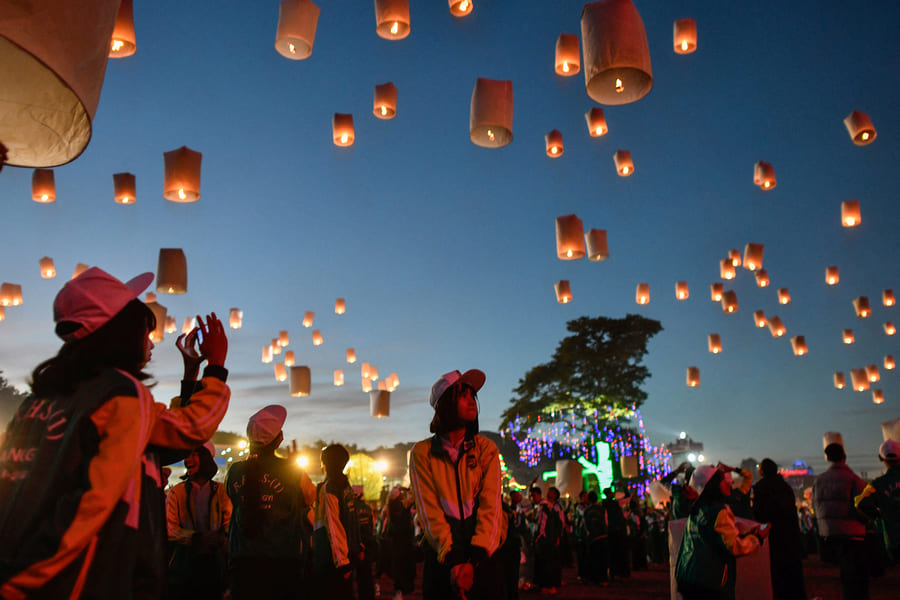
At its heart, the Tazaungdaing festival in myanmar is a celebration of light. Devotees illuminate pagodas, temples, and streets with thousands of candles, paper lanterns, and fire balloons. The glowing spectacle is not merely decorative; it carries deep religious and cultural significance rooted in both Buddhism and pre-Buddhist traditions that have shaped the identity of the Burmese people for over a thousand years.
For travelers, the festival offers an unparalleled opportunity to witness Myanmar in its most celebratory and welcoming state. Local communities open their doors, temple grounds fill with music and offerings, and the night sky blazes with ascending lanterns that drift upward like stars returning to the heavens.
The History And Origins Of Tazaungdaing Festival In Myanmar
The origins of the Tazaungdaing festival myanmar tradition stretch deep into Buddhist mythology and ancient Burmese folklore. According to one of the most widely told stories, the festival commemorates the occasion when the gods competed to weave a sacred robe to be offered to the Buddha before the morning star appeared. This legend gives rise to one of the most unique customs of the festival: the all-night robe-weaving competition, which continues to be practiced at major pagodas across the country today.
In the pre-Buddhist era, Tazaungdaing was closely connected to the end of the rainy season and the worship of nature spirits known as nats. As Buddhism took hold in Myanmar, the celebration was gradually absorbed into Theravada Buddhist practice, blending indigenous traditions with religious merit-making rituals in a way that is distinctly and beautifully Burmese.
Historically, the festival also marked the end of the Buddhist Lent period known as Vassa, or Wa, which begins in July with the Waso festival. During these months, Buddhist monks observe a retreat from travel and intensive practice. Tazaungdaing, arriving a month after the end of Vassa, extends the season of celebration and merit-making that characterizes the Burmese Buddhist calendar.
Across generations, communities have maintained this celebration with great dedication, ensuring that the stories, rituals, and visual splendor of the festival are passed on to younger generations.
When Is The Tazaungdaing Festival Celebrated?
The Tazaungdaing festival is observed on the full moon of Tazaungmon, the eighth month of the traditional Burmese lunar calendar. In practice, this places the festival in November each year, though the exact date shifts slightly depending on the lunar cycle. The full moon night is the peak of the celebration, but festivities often begin several days earlier and continue for a few days afterward in many communities.
For international visitors planning their trip around the festival, it is advisable to confirm the exact date for the year of travel, as the lunar calendar does not align perfectly with the Gregorian calendar from year to year. Travel agencies and tourism boards in Myanmar typically publish the confirmed festival dates well in advance, making it straightforward to plan your itinerary.
November in Myanmar also happens to be one of the most pleasant months weather-wise. The monsoon season has ended, temperatures are cooler and more comfortable, and skies are generally clear, making for ideal conditions to enjoy outdoor festival events and witness the lantern displays in their full glory.
How Myanmar Celebrates The Tazaungdaing Festival
The myanmar Tazaungdaing festival is celebrated with a rich variety of customs and rituals that differ slightly by region but share a common spirit of devotion, community, and joy. Below are the most significant ways in which people across the country mark this special occasion.
Lighting Thousands Of Candles And Lanterns
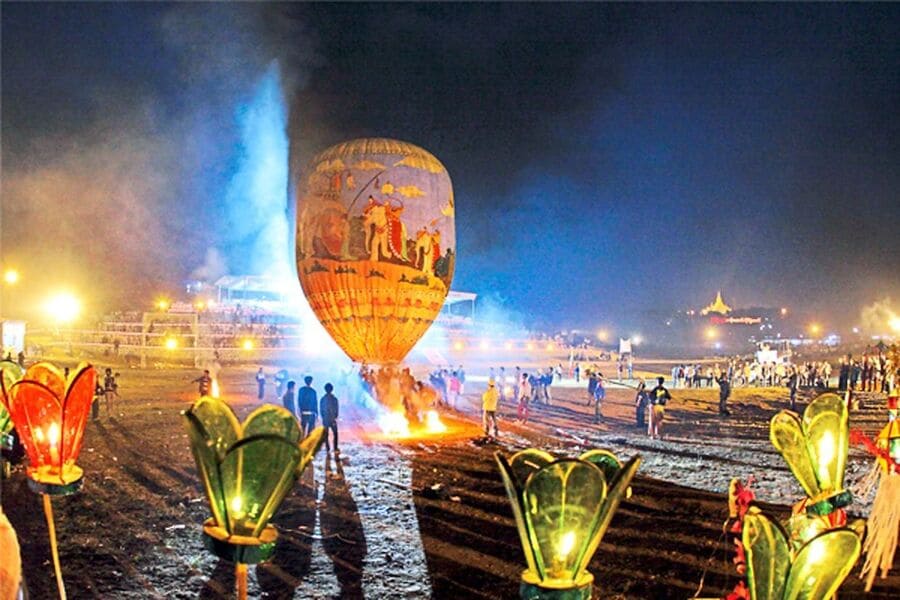
The most iconic image of the Tazaungdaing festival of lights is undoubtedly the sight of thousands upon thousands of candles and lanterns illuminating temples, pagodas, and public spaces. Families and communities gather to light candles together, placing them along the perimeters of pagoda platforms, on window ledges, along garden pathways, and across the steps of ancient shrines.
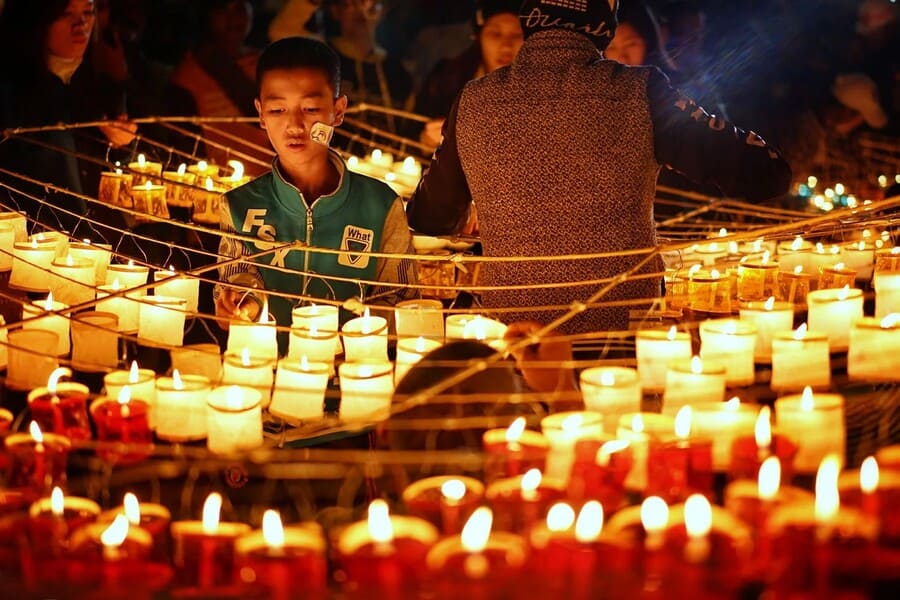
Large paper lanterns, known as hot air balloons or fire balloons locally, are another defining feature. These enormous, hand-crafted balloons are filled with hot air from burning fuel and sent skyward, glowing brilliantly as they rise. In cities like Taunggyi, these balloon competitions draw enormous crowds and have become internationally recognized spectacles in their own right. The balloons can carry fireworks that explode high in the sky, adding dramatic bursts of color to the golden glow of the ascending lights.
Robe-Weaving Competitions Throughout The Night
One of the most distinctive and moving customs of the festival is the all-night robe-weaving competition held at major pagodas. Teams of women, often young, sit at traditional looms and race to weave a complete robe before dawn. This practice directly references the origin myth of the festival, in which celestial beings competed to create a robe worthy of the Buddha.
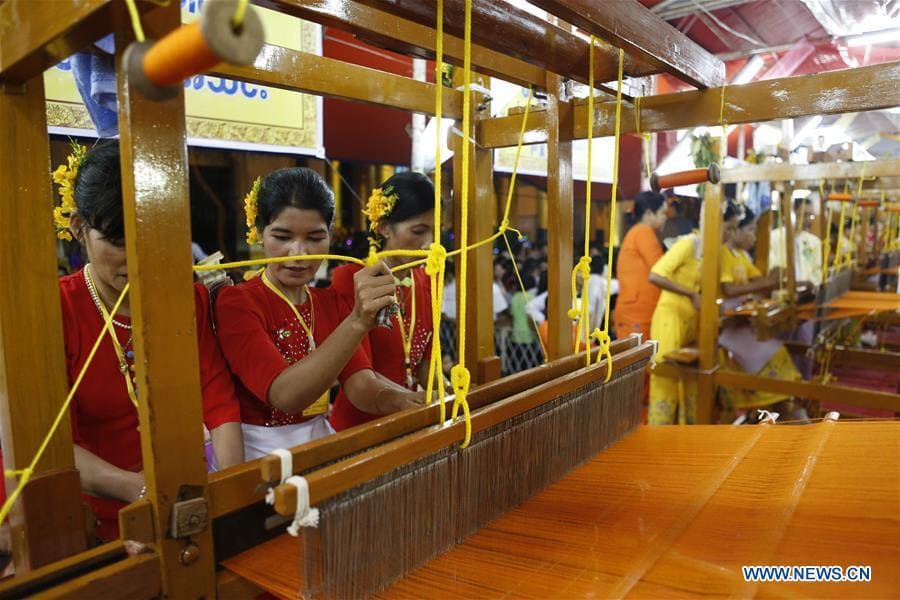
At the famous Shwedagon Pagoda in Yangon, this competition is particularly revered. The completed robes are then ceremonially donated to the pagoda or to resident monks, earning the weavers and their families significant religious merit. Watching these competitions through the night, surrounded by candlelight and the steady rhythm of the looms, is one of the most memorable experiences the Tazaungdaing festival in myanmar has to offer.
Merit-Making And Temple Offerings
Throughout the festival period, Burmese Buddhists engage enthusiastically in a wide range of merit-making activities. Offerings of food, flowers, incense, and money are made at pagodas and monasteries. Monks receive alms with particular generosity during this time, and many people donate to community causes, care for the elderly, or support local schools and orphanages as expressions of their devotion and gratitude.
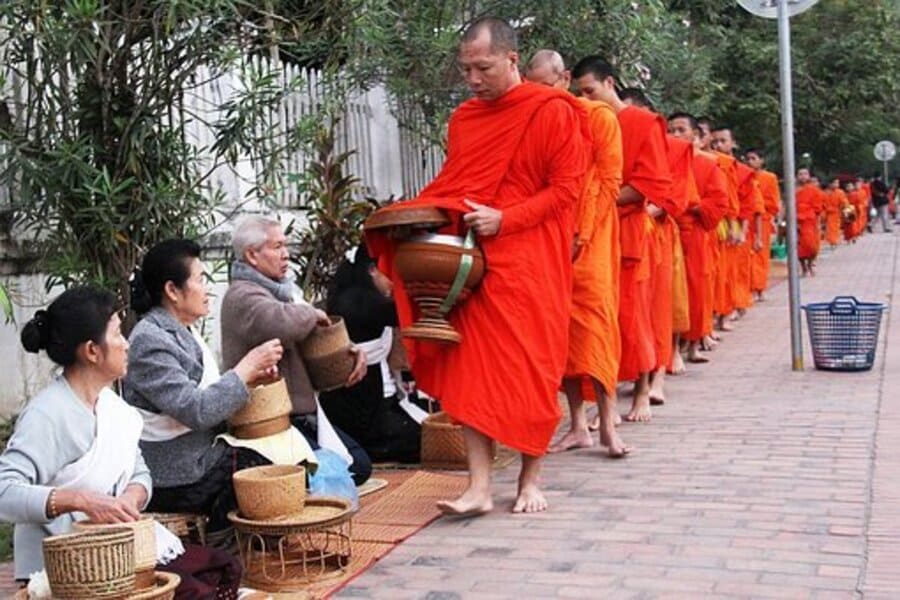
Temple grounds become vibrant gathering places where families reunite, friends meet, and communities come together in a shared spirit of generosity and reflection. The atmosphere is warm, inclusive, and deeply welcoming to respectful visitors who wish to observe or participate in these traditions.
Highlights Of The Tazaungdaing Festival Of Lights
Colorful Lantern Displays
The lantern displays of the Tazaungdaing festival of lights are unlike anything else in Southeast Asia. Beyond the fire balloons of Taunggyi, smaller decorated paper lanterns hang in clusters from trees and temple eaves, casting pools of warm colored light across courtyards and pathways. Artisans spend weeks crafting elaborate lantern designs featuring mythological figures, floral patterns, and scenes from Buddhist texts. The craftsmanship is extraordinary, and many of these lanterns are works of art in their own right.
In some towns and villages, lantern processions wind through the streets at night, with participants carrying glowing lights in honor of the Buddha and the spirits of the locality. The cumulative effect of so many lights gathered in one place, reflecting off gilded pagoda surfaces and the surface of lakes, creates a visual experience that is nothing short of magical.
Traditional Music And Cultural Performances
Music, dance, and theatrical performance are integral elements of the Tazaungdaing festival myanmar celebrations. Traditional orchestras known as hsaing waing ensembles, featuring circular frames of tuned gongs, drums, and wind instruments, play throughout the festival nights. Their complex rhythms and melodic layers are as ancient as the festival itself and form the sonic backdrop to all other activities.
Classical Burmese dance performances, puppet shows, and zat pwe theatrical productions are staged at pagodas and public venues, drawing large audiences who appreciate the artistry and humor of these traditional forms. For visitors, even without knowledge of the language, the performances are visually captivating and offer genuine insight into Myanmar's rich artistic heritage.
Local Food And Festival Markets
No festival in Myanmar would be complete without food, and the Tazaungdaing festival is no exception. Temporary markets spring up around pagoda grounds and public squares, offering a dazzling array of traditional Burmese snacks, sweets, and hot dishes. Mohinga, the beloved fish noodle soup often described as Myanmar's national dish, is widely available, alongside shan noodles, samosas, laphet thoke (fermented tea leaf salad), and an assortment of sweet glutinous rice preparations specific to the festival season.
Browsing these markets at night, surrounded by the glow of lanterns and the sounds of music from nearby stages, is one of the great sensory pleasures of attending the festival. Local vendors are typically friendly and curious about foreign visitors, making it easy to strike up conversations and learn more about the foods and traditions on offer.
Best Places To Experience Tazaungdaing Festival Myanmar
Taunggyi
Without question, Taunggyi in the Southern Shan State is the most famous destination for experiencing the taunggyi Tazaungdaing festival. The city hosts Myanmar's most celebrated fire balloon competition, which draws tens of thousands of spectators from across the country and around the world. Teams spend months designing and building their massive balloons, which are judged on beauty, altitude, and the precision of their firework payloads.
The competition takes place over several nights around the full moon, and the sky above Taunggyi becomes a breathtaking theater of ascending lights and exploding colors. Accommodation in the city fills up very quickly during the festival period, so advance booking is strongly recommended for anyone planning to attend.
Yangon
Myanmar's largest city and commercial capital, Yangon, celebrates the Tazaungdaing festival with particular splendor at the magnificent Shwedagon Pagoda, one of the most sacred Buddhist sites in the world. The all-night robe-weaving competition here is among the most prestigious in the country, attracting skilled weavers from across Myanmar. The entire pagoda platform is illuminated with thousands of candles and electric lights, and the golden stupa glowing against the night sky is an unforgettable sight. Yangon's festival celebrations are more accessible to first-time visitors thanks to the city's well-developed tourism infrastructure.
Mandalay
Mandalay, Myanmar's second city and cultural heart, offers a deeply traditional experience of the festival. The city's numerous pagodas and monasteries become centers of community celebration, with elaborate offerings, candlelight processions, and classical performances filling the streets and temple grounds. Mandalay's craftspeople are known for producing particularly beautiful lanterns and decorative items for the festival, and the city's markets offer wonderful opportunities to purchase handmade goods as souvenirs.
Inle Lake Region
The Inle Lake region in the Shan State is one of Myanmar's most scenic and culturally rich areas, and it celebrates the myanmar Tazaungdaing festival with ceremonies that blend Shan and Burmese Buddhist traditions in unique ways. Candlelit processions on the water, with boats carrying glowing offerings across the calm surface of the lake, create an atmosphere of extraordinary beauty and serenity. The surrounding villages host their own local celebrations, giving visitors a more intimate view of how rural communities observe this important occasion.
Frequently Asked Questions About Tazaungdaing Festival
What Is The Main Purpose Of Tazaungdaing Festival?
The Tazaungdaing festival serves both religious and communal purposes. Spiritually, it is an occasion for Burmese Buddhists to make merit through offerings, donations, and acts of generosity. The robe-weaving tradition honors the Buddha and earns participants religious merit. Culturally, the festival reinforces community bonds, preserves ancient artistic traditions, and celebrates the natural world at the end of the rainy season. For many Burmese people, it is also simply a joyful occasion to gather with family and friends and celebrate the beauty of life.
Where Is The Best Place To See The Festival?
Taunggyi is widely considered the best place to witness the Tazaungdaing festival of lights, specifically for the famous fire balloon competition. However, Yangon's Shwedagon Pagoda offers perhaps the most spiritually authentic and architecturally stunning setting for the celebration. For travelers who want a less crowded and more culturally immersive experience, the Inle Lake region and smaller towns around Myanmar can be equally rewarding.
Is Tazaungdaing Festival Suitable For Tourists?
Absolutely. The Tazaungdaing festival in myanmar is one of the most welcoming and accessible festivals in all of Asia for foreign visitors. Burmese people are genuinely warm and hospitable, and they take pride in sharing their traditions with curious and respectful guests. Visitors should dress modestly when entering temple grounds, remove footwear as required, and observe local customs with sensitivity. Engaging with locals, trying festival foods, and watching performances are all encouraged and make for a rich cultural experience.
How Long Does The Festival Last?
The core celebrations of the Tazaungdaing festival center on the full moon night and typically extend over three to five days in most locations. In Taunggyi, the balloon competition can span up to a week of events. At major pagodas in Yangon and Mandalay, significant activities concentrate on the full moon night itself and the days immediately surrounding it. Visitors who can arrange to stay for the full duration of the celebrations will have the richest and most complete experience of this remarkable festival.