

The best time to visit Myanmar depends not only on the weather but also on its festival season. Many of the country's most memorable experiences take place during annual celebrations, when cities, villages, and temples are filled with music, ceremonies, and colorful traditions. By following the Myanmar festival calendar, you can plan your journey around these cultural highlights and enjoy a more authentic perspective on Myanmar's history, religion, and daily life.
What Is Mohinga?
Mohinga is widely regarded as Myanmar's national dish, a fragrant fish-based noodle soup that most Burmese people grow up eating before school or work. If you are planning a trip and searching for burma tours that promise authentic culinary encounters, tasting mohinga from a roadside stall in Yangon or Mandalay should be at the very top of your list.
At its core, mohinga is a rice noodle soup simmered in a thick, savory broth made from catfish, lemongrass, ginger, and toasted rice powder. It is sold everywhere, from five-star hotel breakfast buffets to humble bamboo stools set up on street corners at sunrise. Despite regional variations across the country, the dish's identity as Myanmar's beloved breakfast staple remains constant.
For travelers, understanding mohinga is a gateway to understanding Burmese food culture itself. It reflects the country's agricultural abundance (rice, fish, and herbs), its historical trade links with South and Southeast Asia, and the practical need for a filling, affordable meal that can be prepared in bulk and eaten quickly before the day begins.
What Does Mohinga Taste Like?
Describing the taste of mohinga to someone who has never tried it is a genuinely enjoyable challenge. The broth carries a deep, savory umami base from the catfish, balanced with the citrusy brightness of lemongrass and the subtle earthiness of toasted rice powder, which also gives the soup its characteristic thickness.
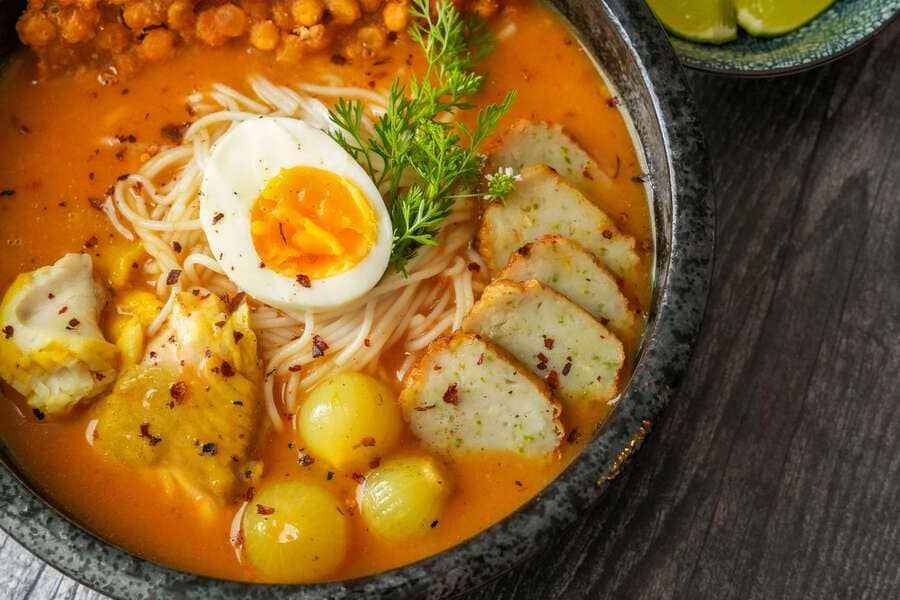
There is a gentle warmth from ginger and garlic, a mild tang from tamarind or lime, and often a background note of fish sauce that ties the whole bowl together. Unlike many Southeast Asian noodle soups, mohinga is not aggressively spicy on its own. Heat is usually added at the table, meaning each diner can customize their bowl to taste.
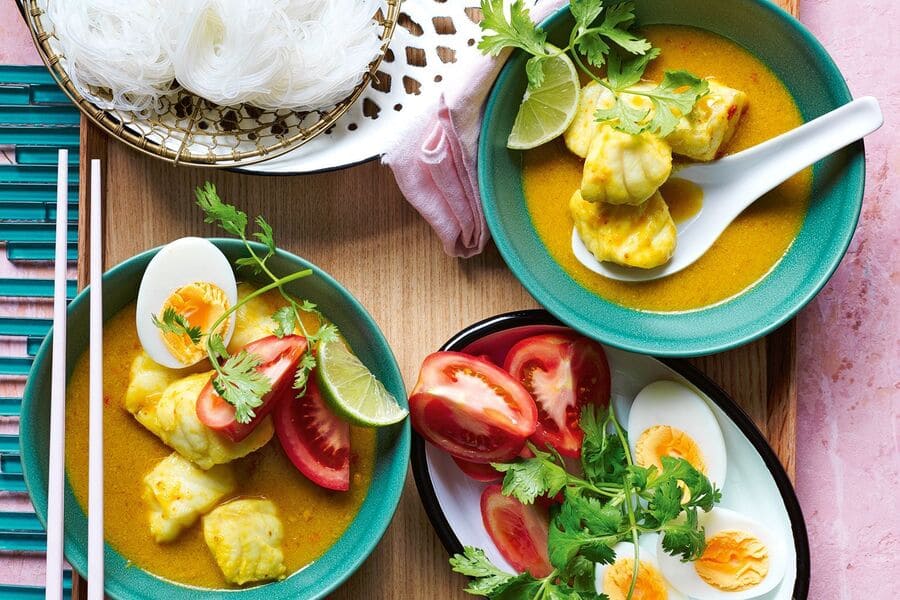
Texture plays a big role too. The soft rice vermicelli noodles soak up the broth beautifully, while crunchy toppings such as fried split pea fritters, crispy shallots, and boiled egg add contrast. A squeeze of lime and a sprinkle of fresh coriander at the end brighten the entire dish. Many first-time visitors are surprised by how comforting and well-balanced a bowl of mohinga soup actually is, especially compared to the fiery reputation of some neighboring cuisines.
How Is Mohinga Made?
Essential Ingredients
A traditional myanmar mohinga recipe relies on a handful of key ingredients that give the dish its unmistakable character:
- Catfish (fresh or dried), simmered until the meat falls away from the bone
- Rice vermicelli noodles
- Lemongrass, stalks bruised to release their oils
- Ginger, garlic, and shallots
- Toasted rice powder or chickpea flour, used as a natural thickener
- Fish sauce and a small amount of shrimp paste (ngapi)
- Banana stem or banana flower (in some regional versions), which adds subtle texture
- Garnishes: boiled eggs, crispy fried split pea fritters (akyaw), fried onions, coriander, lime wedges, and dried chili flakes
Fish sauce and shrimp paste are staples in Burmese pantries, much as they are across much of Southeast Asia, and they form the savory backbone of the broth.
Step-by-Step Cooking Process
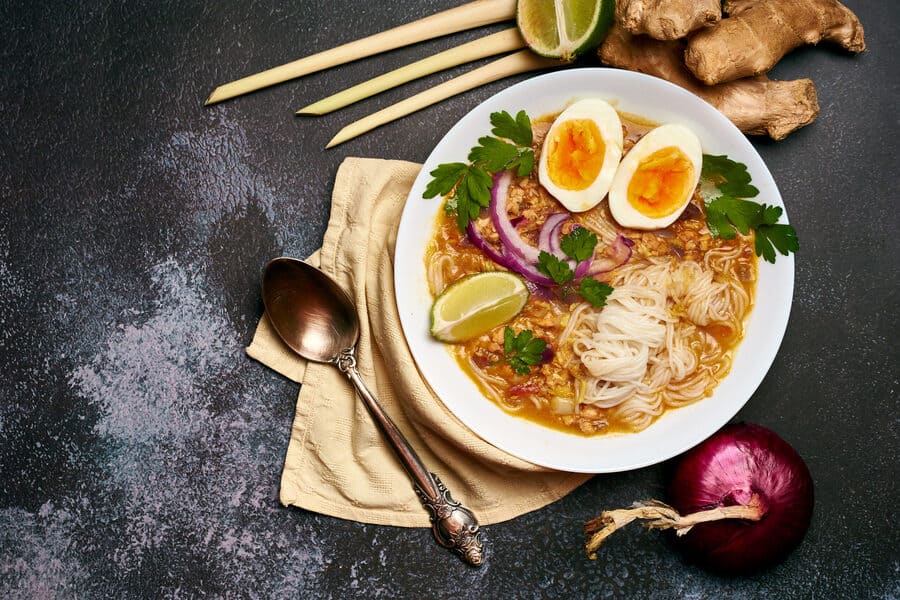
While every household and street vendor has their own variation, a reliable mohinga recipe generally follows these stages:
- Prepare the fish. Simmer catfish in water with sliced ginger until tender, then remove the bones and flake the meat finely. Reserve the cooking liquid, as it forms the base of the broth.
- Build the aromatic base. In a large pot, sauté chopped garlic, shallots, ginger, and lemongrass in oil until fragrant. Add a spoonful of shrimp paste and cook briefly to release its aroma.
- Combine and simmer. Add the flaked fish and reserved fish stock to the pot. Season with fish sauce, and let the mixture simmer gently for at least 30 to 45 minutes to develop depth of flavor.
- Thicken the broth. Stir in toasted rice powder or a chickpea flour slurry gradually, whisking to avoid lumps, until the soup reaches a slightly thick, silky consistency.
- Cook the noodles separately. Blanch rice vermicelli in boiling water until soft, then drain and portion into serving bowls.
- Assemble the bowl. Ladle the hot broth over the noodles, then top with boiled egg halves, crispy fritters, fried shallots, fresh coriander, and a wedge of lime.
- Adjust to taste. Serve with dried chili flakes and extra fish sauce on the side so each diner can fine-tune the flavor.
This basic framework applies whether you are following a home-style mohinga soup recipe or a more elaborate restaurant version with additional toppings like banana stem or hard-boiled quail eggs.
Tips for Authentic Flavor
A few practical lessons, gathered from watching Burmese cooks prepare this dish firsthand, can make a noticeable difference:
- Toast the rice powder in a dry pan until lightly golden before adding it to the broth; this deepens the nutty aroma significantly.
- Do not rush the simmering stage. A longer, slower cook allows the fish and aromatics to fully infuse the stock.
- Balance is key: taste as you go and adjust fish sauce, lime, and chili separately rather than guessing all at once.
- Fresh herbs and crispy toppings should be added only just before serving to preserve their texture and aroma.
- If catfish is unavailable outside Myanmar, firm white fish such as tilapia or basa can be substituted with good results.
Burmese Food Mohinga Recipe
For home cooks abroad who want to recreate this burmese food mohinga recipe with accessible ingredients, a simplified version works well without sacrificing too much authenticity. Substitute dried shrimp paste with a small amount of anchovy paste if shrimp paste is hard to find, and use rice flour toasted at home if pre-made rice powder is unavailable.
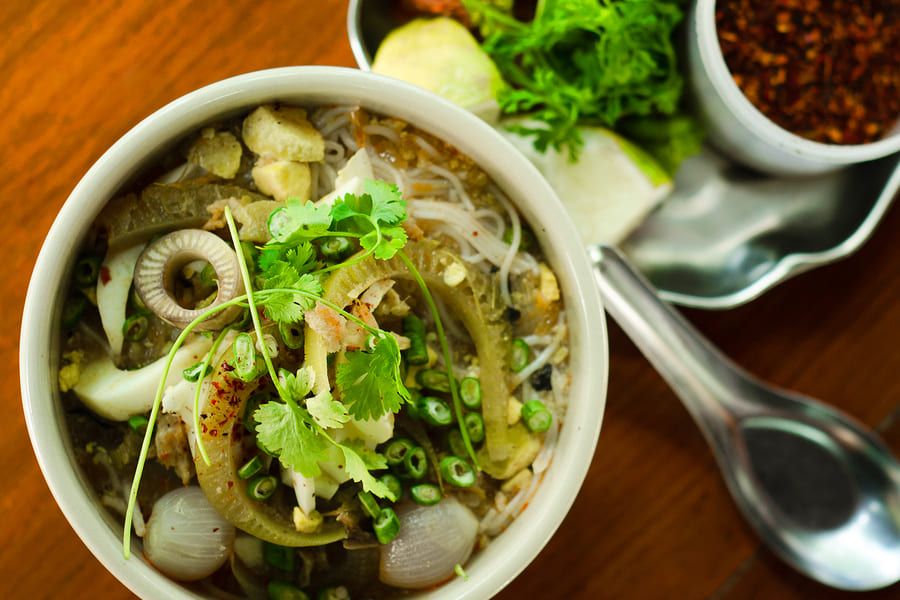
Many expatriate cooks in Australia, the United States, and Europe have adapted the dish using tilapia or catfish fillets sourced from Asian grocery stores, paired with lemongrass paste and bottled fish sauce. While purists may argue that nothing replaces fresh Irrawaddy River catfish, a well-executed home version still captures the soul of the dish: a warm, herbaceous, fish-forward broth ladled generously over soft rice noodles.
This adaptability is part of why mohinga has slowly gained recognition on the global food scene, appearing in Burmese diaspora restaurants from Melbourne to London, often introduced to new diners as Myanmar's answer to pho or laksa.
When Do People Eat Mohinga?
Traditionally, mohinga is eaten as breakfast, and it is common to see vendors setting up their carts before dawn to serve commuters, monks on their morning alms rounds, and students on their way to school. The dish is filling enough to sustain someone through a busy morning, yet light enough not to feel heavy.
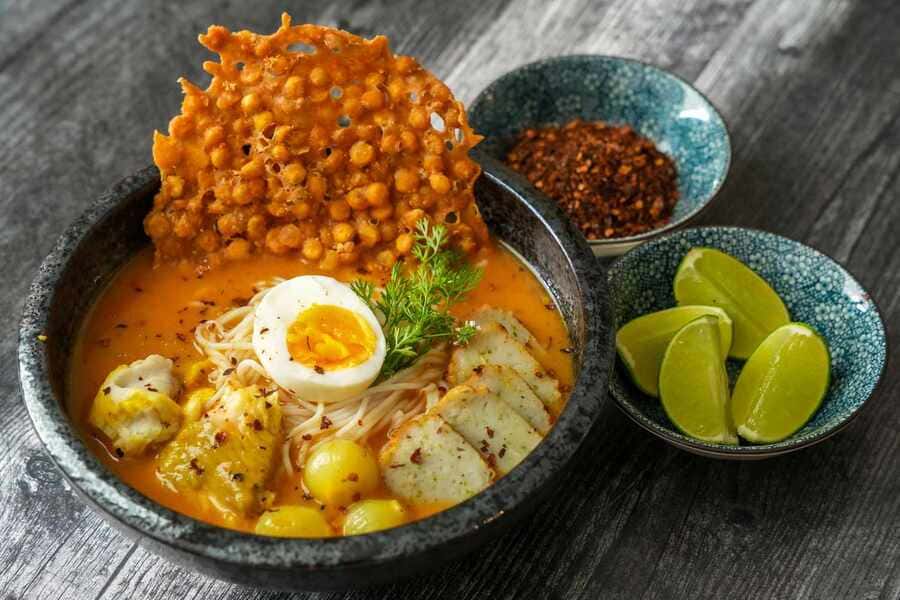
That said, its popularity has expanded well beyond breakfast hours. Today, mohinga is enjoyed as a snack, a light lunch, and even a festive dish during celebrations and religious ceremonies. It frequently appears at weddings, novitiation ceremonies (shinbyu), and community merit-making events, where large batches are prepared to feed dozens or even hundreds of guests. This dual identity, as both an everyday meal and a ceremonial offering, speaks to how deeply woven the dish is into Burmese social life.
How to Serve Mohinga
Serving mohinga well is about offering balance and choice. The soup itself should be ladled hot over freshly blanched noodles, but the real charm lies in the accompaniments arranged around the bowl:
- Crispy split pea or gram flour fritters, broken into pieces for crunch
- Boiled eggs, halved or quartered
- Fried shallots and garlic chips for aroma
- Fresh coriander leaves and lime wedges
- Dried chili flakes or chili oil for those who prefer heat
- A side plate of Burmese pickles or fritters, common at more elaborate breakfast spreads
In Myanmar, it is customary to let each diner personalize their own bowl at the table rather than pre-seasoning the soup for everyone. This interactive element makes the meal feel communal and considerate of different spice tolerances, something travelers often find charming when experiencing it for the first time.
Where to Try the Best Mohinga in Myanmar
Yangon is often considered the best place to sample a wide range of mohinga styles, from simple street stalls near Sule Pagoda to well-regarded local eateries in the downtown area that have served the same recipe for generations. Mandalay offers its own distinct version, sometimes slightly thicker and richer, reflecting the culinary traditions of central Myanmar.
Morning markets across the country, including those in Bagan and Inle Lake, are also reliable places to find fresh, freshly made batches, as vendors typically sell out by mid-morning and prepare a new batch the following day. For travelers joining organized burma tours, many itineraries now intentionally include an early-morning market visit or a guided street food walk, recognizing that a bowl of mohinga offers as much cultural insight as a temple visit.
As with most street food, choosing a stall with high turnover and visibly fresh ingredients is a reliable way to ensure both flavor and food safety, a practice recommended by most reputable travel guides covering Southeast Asian street food.
Frequently Asked Questions About Mohinga
Is Mohinga Spicy?
Not inherently. The base broth of mohinga is savory and aromatic rather than spicy. Heat is typically added at the table through dried chili flakes or chili oil, allowing each person to adjust the spice level to their own preference.
What Fish Is Traditionally Used?
Catfish is the most traditional choice, particularly varieties sourced from the Irrawaddy River, prized for their soft texture and mild flavor that blends easily into the broth. Some regional versions also use snakehead fish or a combination of fish varieties.
Can Mohinga Be Made Vegetarian?
Yes, though it requires some adaptation. A vegetarian mohinga recipe typically replaces fish and fish sauce with mushroom or vegetable stock, banana stem, and soy sauce or vegetarian fish sauce alternatives to mimic the umami depth. The result differs from the traditional version but retains the dish's comforting, aromatic character.
Can I Freeze Mohinga Soup?
The broth freezes reasonably well and can be stored in an airtight container for up to two months. However, it is best to freeze the broth separately from the noodles and crispy toppings, as noodles tend to become mushy and fritters lose their crunch after thawing. Reheat the broth gently on the stove and add freshly cooked noodles and toppings when ready to serve.
Is Mohinga Gluten-Free?
The core components of mohinga, rice noodles, fish, and rice powder, are naturally gluten-free. However, some recipes use wheat-based flour as a thickener instead of rice powder, and pre-made fish sauce or shrimp paste may occasionally contain gluten additives, so those with strict dietary needs should check individual ingredient labels or ask vendors directly when traveling.
Mohinga remains one of the most authentic and rewarding dishes any visitor to Myanmar can try. Whether enjoyed from a bustling street stall in Yangon or recreated at home using a trusted mohinga soup recipe, this humble fish noodle soup tells a story of Burmese culture, resourcefulness, and hospitality in every spoonful.