
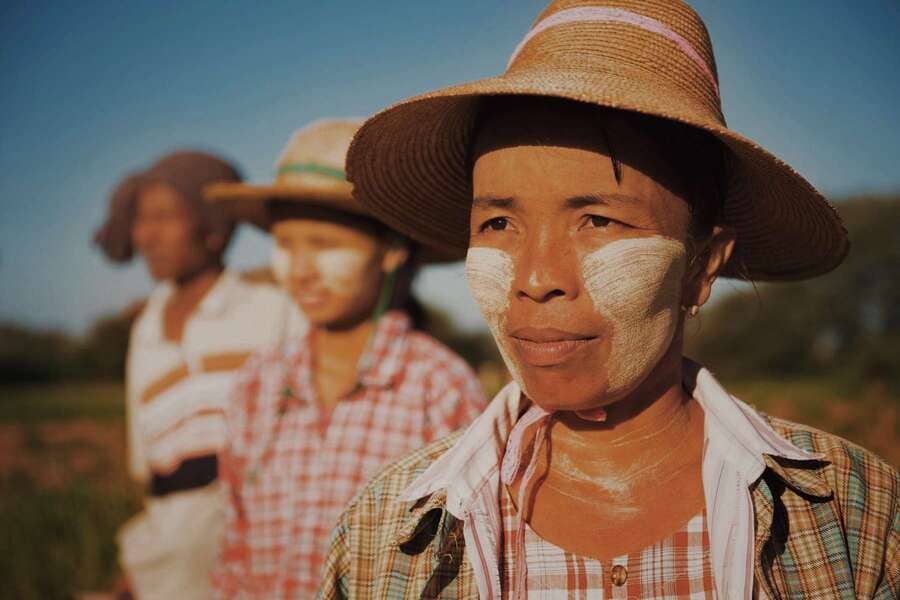
If you have ever joined myanmar tours and walked through the bustling streets of Yangon, strolled across the wooden bridge of Inle Lake, or wandered into a village market in Mandalay, you have almost certainly noticed something striking about the people you pass. Women, children, and even some men walk around with a pale, yellowish-white paste applied to their cheeks, foreheads, and sometimes their arms. Far from a fashion statement borrowed from modern cosmetics, this ancient paste is thanakha, and it has been woven into the daily life and identity of Myanmar's people for more than two thousand years. Understanding thanakha is not just about understanding a skincare ingredient. It is about understanding the soul of Myanmar itself.
What Is Thanakha?
Thanakha is a natural cosmetic paste made from the ground bark, wood, or roots of the thanakha tree, a species native to the dry central regions of Myanmar. When the bark is ground on a circular wet stone called a kyauk pyin with a small amount of water, it produces a smooth, fragrant, cream-colored paste that is then applied directly to the skin.
The paste has a distinctive mild, woody fragrance and a slightly grainy texture when freshly prepared. Once applied, it dries to a soft, matte finish that gives the wearer a cooling sensation. It is entirely natural, chemical-free, and biodegradable, making it one of the oldest and most sustainable beauty products in the world.
The word "thanakha" in Burmese refers both to the paste itself and to the tree from which it is derived. It is sometimes spelled "thanaka" in international contexts, though the spelling with an "h" is more commonly used in Myanmar.
The Cultural Significance of Thanakha Myanmar
To understand thanakha myanmar is to understand a living cultural tradition. Unlike many ancient beauty practices that have faded into history books, thanakha remains an active, everyday part of life for millions of people across Myanmar. It is not a ritual reserved for special occasions. It is as ordinary and as essential as washing your face in the morning.
The practice of using ancient beauty myanmar dates back at least to the Pagan Empire of the 11th century, with some historians and ethnobotanists suggesting its use may be even older, rooted in pre-Buddhist Burmese civilization. Royal courts used thanakha, monks and spiritual practitioners applied it, and ordinary farmers and traders made it part of their daily hygiene. This continuity across social class, religion, and region is remarkable.
Today, thanakha carries both personal and national significance. When Myanmar athletes compete internationally, many wear it proudly. When Burmese children go to school, their mothers apply it in careful circular patterns on their cheeks. For many Myanmar people, seeing someone without thanakha feels unusual. It is identity and belonging expressed on the skin.
Who Uses Thanakha in Myanmar?
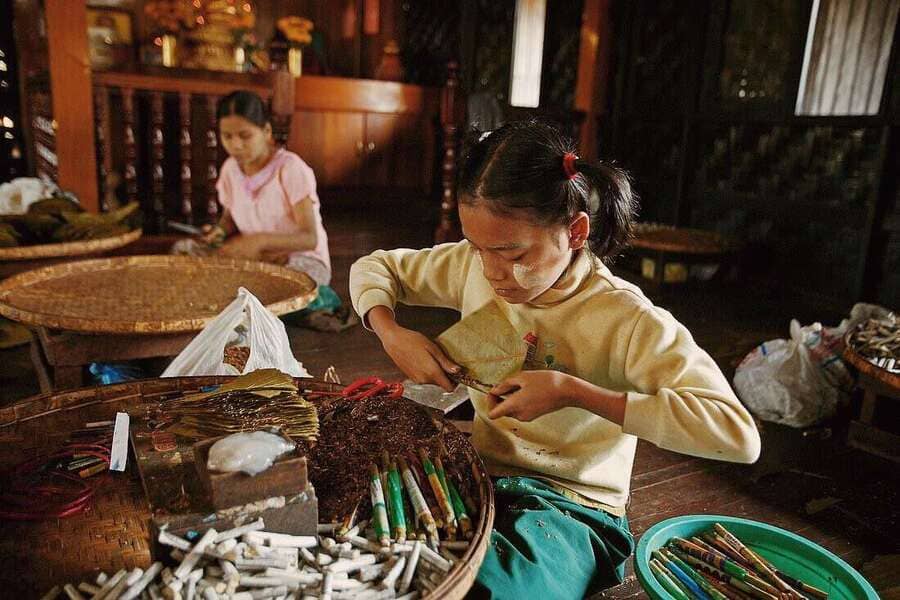
Thanakha is most commonly associated with women and children, but its use cuts across age and gender in ways that might surprise visitors. Young girls often have elaborate patterns drawn on their faces, while older women tend to prefer a clean, full coverage application. Men, particularly in rural areas and among older generations, also use thanakha regularly, often applying it more lightly across the nose and cheeks.
Children are introduced to thanakha from infancy. Mothers apply diluted paste to protect their babies from the harsh tropical sun. By the time a child starts school, wearing ancient beauty is second nature, part of a daily routine as familiar as eating breakfast.
In urban areas like Yangon and Naypyidaw, younger generations sometimes mix thanakha with modern skincare products or use commercially produced thanakha creams and powders. In rural regions, particularly in the dry zones of Sagaing, Mandalay, and Magway where the best thanakha trees grow, the traditional grinding stone method remains the norm. Regardless of geography, thanakha continues to bridge generations and social boundaries with quiet consistency.
How Thanakha Is Prepared and Applied
Grinding Thanakha Bark into Paste
The traditional preparation of thanakha is simple but satisfying to watch. A small log or piece of bark from the thanakha tree is rubbed in a circular motion against the surface of a kyauk pyin, a slightly concave stone disc used specifically for this purpose. A small amount of water is added gradually to help release the natural compounds in the bark and create a smooth paste.
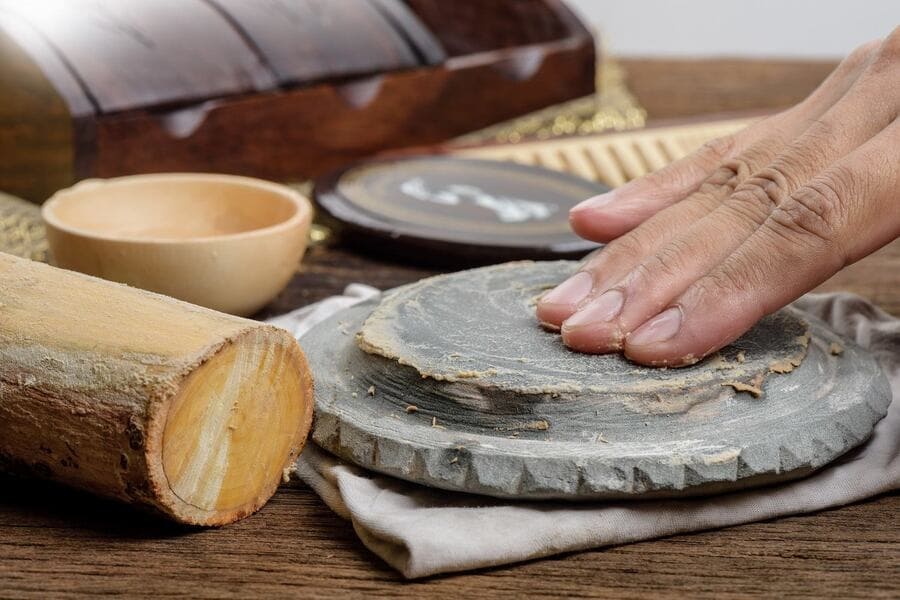
The grinding process usually takes just two to three minutes to produce enough paste for a full facial application. The paste should be thick enough to adhere to the skin but smooth enough to spread evenly. Experienced users can judge the right consistency by feel, adjusting the amount of water as needed.
The kyauk pyin itself is traditionally made from a specific type of fine-grained stone found in Myanmar, and well-used grinding stones develop a slight dish shape over years of use. In many households, the grinding stone and thanakha log are kept together near the bathroom or kitchen, ready for use each morning.
Traditional and Modern Application Methods
In traditional practice, thanakha is applied using the fingers. The paste is scooped from the grinding stone and spread across the cheeks, nose, and forehead in smooth, even strokes. The application takes only moments and becomes deeply habitual over time.
More decorative applications involve using small leaves, brushes, or even stencils to create patterns. Florists and artisans in Mandalay are particularly known for crafting elaborate floral designs from thanakha paste on the faces of festival participants. At cultural events and traditional ceremonies, the artistic application of ancient beauty becomes a form of folk art.
Modern application methods have expanded alongside the growth of commercially produced thanakha products. Pre-mixed ancient beauty lotions can be applied with a spatula or fingers, while thanakha powder is mixed with a few drops of water or toner before use. These modern formats make it easier for people traveling or living in urban environments to maintain the tradition without carrying logs and grinding stones.
Popular Thanakha Designs and Patterns
The most classic and iconic design is the simple circular pattern applied to each cheek, often mimicking the shape of the grinding stone itself. This circular motif is immediately recognizable and has become something of a visual symbol for Myanmar on the international stage.
Children often have more elaborate designs applied by their mothers or at school events. Common motifs include flower petals, vines, stars, and geometric shapes. The versatility of thanakha paste as a medium means it can be shaped and layered with impressive detail on the skin.
Some communities use specific patterns tied to festivals, spiritual practices, or regional identity. In Chin State, for example, face decoration has traditionally been more elaborate and encompasses a variety of symbolic elements, though this practice is distinct from standard thanakha use. Even within the Burman majority, regional styles of application can differ noticeably between north and south.
Benefits of Natural Whitening Thanakha
Natural Skin Brightening Properties
One of the most celebrated benefits of natural whitening thanakha is its ability to brighten and even the skin tone. The bark of the ancient beauty tree contains compounds including coumarin and marmesin, which have been shown to inhibit melanin production in the skin. Reduced melanin synthesis leads to a gradual lightening effect on hyperpigmented areas such as dark spots, sun damage patches, and uneven tone.
The effect of natural whitening thanakha is gentle and cumulative rather than harsh or immediate. Long-term daily users typically report a noticeably more even complexion over months and years of consistent use. This is consistent with the observational evidence from Myanmar, where many women who have used ancient beauty throughout their lives maintain exceptionally clear, even-toned skin into older age.
Protection Against Sun Exposure
Myanmar lies largely within the tropics, where UV radiation is intense year-round. Thanakha acts as a mild natural sunscreen. While its Sun Protection Factor (SPF) does not match that of modern commercial sunscreens, studies and traditional knowledge both suggest that regular application provides meaningful protection from UV damage, particularly for short periods of outdoor exposure.
The physical barrier created by the dried paste on the skin's surface reflects some UV rays, while the chemical compounds in the bark offer additional photoprotective effects. For generations, farmers working in rice paddies and children playing outdoors have relied on thanakha as their primary sun protection, and the results speak for themselves.
Cooling and Soothing Effects on the Skin
The fresh application of thanakha paste produces a noticeably cooling sensation, making it especially welcome in Myanmar's tropical heat. This cooling effect comes from the evaporation of water within the paste as it dries on the skin, combined with the natural astringent properties of the bark compounds.
Beyond the immediate cooling sensation, thanakha has anti-inflammatory properties that help soothe irritated or heat-stressed skin. People with rashes, insect bites, or minor skin irritations often apply thanakha to the affected area as a simple, accessible remedy. This soothing quality makes it particularly suitable for children, who are frequently exposed to sun, heat, and outdoor elements.
Anti-Acne and Skincare Benefits
Thanakha has been used for centuries as a remedy for acne and oily skin. The bark contains natural antibacterial compounds that help reduce the bacteria responsible for acne breakouts. Its astringent properties help tighten pores and reduce excess sebum production, making it particularly beneficial for those with oily or combination skin.
Regular use of ancient beauty as a face mask or overnight treatment is a traditional practice for managing acne-prone skin. The paste is applied thickly to the affected areas and left to dry and absorb into the skin. Many Myanmar women swear by this method as a simple and effective alternative to expensive commercial acne treatments.
Research into thanakha's active compounds has confirmed the presence of antioxidants, anti-inflammatory agents, and antimicrobial substances. While large-scale clinical trials remain limited, the existing evidence supports what generations of empirical use have already demonstrated.
Different Types of Thanakha Trees and Products
Common Thanakha Tree Species
Not all ancient beauty comes from the same tree. Several related species are used to produce thanakha paste, and the quality, fragrance, and effectiveness of the paste can vary significantly between species.
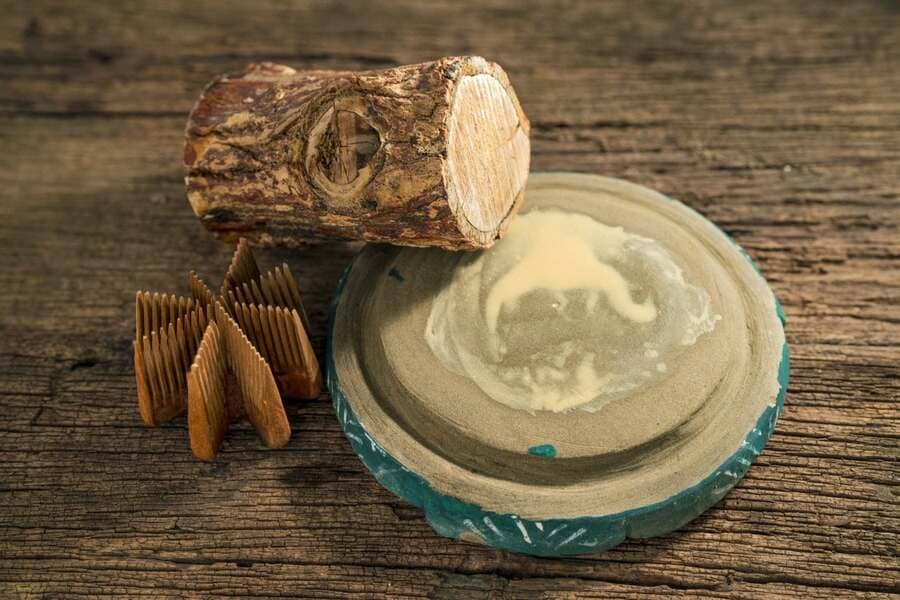
The most highly regarded species is Hesperethusa crenulata (sometimes classified as Naringi crenulata), known locally as Makhwaen or the true thanakha tree. It grows primarily in the dry zone of central Myanmar and produces a paste prized for its fine texture and pleasant fragrance. Another commonly used species is Limonia acidissima, the wood apple tree, which produces a slightly coarser paste. In terms of price, logs from Hesperethusa crenulata command a premium and typically cost two to three times more than those from lower-grade species, reflecting both their superior quality and slower growth rate.
Traditional Thanakha Logs
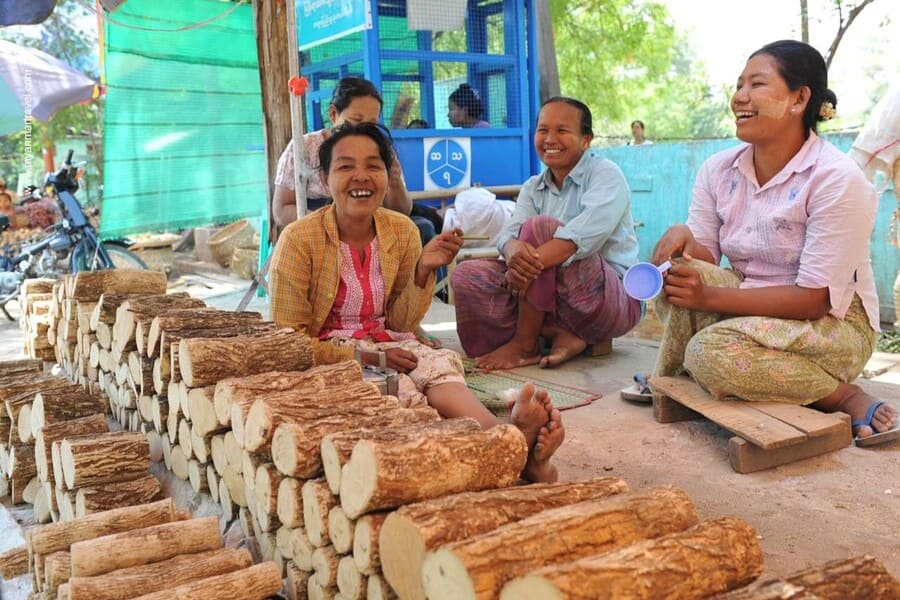
Traditional thanakha is sold in the form of small logs or thick cylindrical pieces of bark, typically six to twelve inches long. These logs are sold at markets throughout Myanmar, with quality graded by species, age of the tree, and regional origin.
The best traditional logs come from trees that are at least 35 years old. Older wood produces a finer, more aromatic paste that adheres better to the skin and lasts longer through the day. Vendors at local markets can often identify the quality and origin of a log by its colour, scent, and weight. Pricing at local Myanmar markets is very affordable: a standard-grade log typically costs between 500 and 2,000 MMK (roughly USD 0.25 to USD 1.00), while premium aged logs from well-known growing regions such as Shwe Bo or Pakokku can fetch 3,000 to 10,000 MMK (approximately USD 1.50 to USD 5.00) per piece. A single log of good quality can last a family several weeks with daily use, making it one of the most economical skincare options available.
Modern Thanakha Powders, Creams, and Cosmetics
In response to demand from urban consumers and international markets, thanakha is now available in a wide range of processed forms. Thanakha powder can be mixed with water or other liquids and applied without the traditional grinding process. Ancient beauty creams and lotions combine the extract with moisturizing agents and are packaged in tubes and jars similar to mainstream cosmetics.
Premium thanakha skincare ranges have emerged from Myanmar-based companies as well as international brands interested in natural and traditional beauty ingredients. These products often include thanakha extract alongside complementary natural ingredients such as turmeric, green tea, and tamarind. While they may lack some of the ritual satisfaction of grinding your own paste each morning, they make thanakha accessible to a global audience. In terms of price, basic thanakha powder sachets start at around 500 to 1,500 MMK at local pharmacies and cosmetic counters, while packaged ancient beauty creams and lotions from established brands range from USD 2 to USD 10 per tube or jar. Premium export-grade thanakha skincare products sold online or in international beauty stores can cost between USD 15 and USD 40, reflecting added formulation, branding, and international distribution costs.
Where To Buy Natural Whitening Thanakha
For visitors to Myanmar, the best places to buy authentic natural whitening thanakha are local markets rather than tourist shops. Bogyoke Aung San Market in Yangon, Zegyo Market in Mandalay, and markets in Bagan all have reliable vendors selling traditional ancient beauty logs, grinding stones, and modern ancient beauty products.
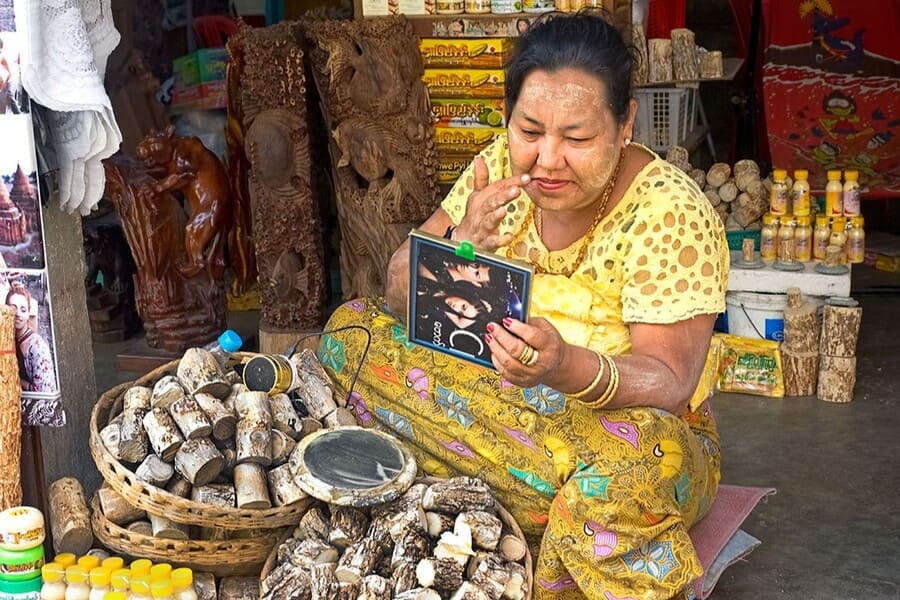
When buying traditional logs, look for pieces with a smooth, pale golden-brown bark that have a faint woody, floral scent. Avoid logs with very dark, rough, or mold-spotted surfaces. If you want a complete traditional experience, purchase a small grinding stone alongside your log.
For those who cannot visit Myanmar in person, a growing number of online retailers and Southeast Asian e-commerce platforms stock genuine thanakha products. Look for sellers who specify the species and origin of their thanakha and provide clear ingredient information for processed products.
Frequently Asked Questions About Thanakha
Is Thanakha Safe for All Skin Types?
In general, thanakha is well-tolerated by most skin types, including sensitive skin. Because it is a natural botanical product with no synthetic additives in its traditional form, the risk of allergic reaction is relatively low. However, as with any natural ingredient, individual sensitivities can exist. People with known allergies to plants in the Rutaceae (citrus) family, to which some thanakha species belong, should perform a patch test before use.
Those with very dry skin may find that thanakha's astringent properties temporarily increase dryness and should consider following up with a moisturizer. For normal to oily skin types, thanakha is typically highly beneficial and unlikely to cause irritation.
Does Natural Whitening Thanakha Really Work?
Yes, with realistic expectations. Natural whitening thanakha does contain compounds that inhibit melanin production and can lead to gradual brightening of the skin over consistent, long-term use. However, it is not an instant whitening treatment and will not produce dramatic results overnight.
For best results, thanakha should be incorporated into a daily skincare routine and used consistently over months. The brightening effect is cumulative and most noticeable on dark spots, sun damage, and areas of uneven pigmentation. Many users also report that overall skin texture and clarity improve with regular use, even if dramatic whitening is not achieved.
How Long Has Thanakha Been Used in Myanmar?
Historical records and archaeological evidence suggest that thanakha has been used in Myanmar for at least 2,000 years, and possibly longer. References to thanakha appear in ancient Pagan-era texts from the 11th and 12th centuries. Its use is believed to predate the spread of Buddhism in the region, suggesting indigenous origins deeply tied to the landscape and climate of central Myanmar's dry zone. This makes thanakha one of the longest continuously used cosmetic products in the world.
Can Tourists Buy Thanakha as a Souvenir?
Absolutely, and it makes a wonderful and culturally meaningful souvenir. Traditional ancient beauty logs are lightweight, inexpensive, and easy to pack. They are permitted in both checked and carry-on luggage on international flights, though it is worth confirming current customs regulations for your home country regarding the import of plant material.
Modern thanakha creams and powders are even more practical as souvenirs, as they require no special equipment to use. Many visitors also enjoy purchasing a small kyauk pyin grinding stone to use at home with a traditional log, creating a complete and authentic thanakha experience.
Thanakha is far more than a beauty product. It is a living tradition, a cultural anchor, and a testament to Myanmar's deep relationship with its natural environment. Whether you encounter it on the face of a child at a village well or discover it in the refined packaging of a luxury skincare brand, ancient beauty carries within it the story of a people and a land that have valued natural beauty, tradition, and sustainability for millennia. For anyone fortunate enough to visit Myanmar or curious enough to seek it out from afar, engaging with thanakha is one of the most genuine and rewarding ways to connect with a culture that is as rich and layered as the ancient bark itself.