
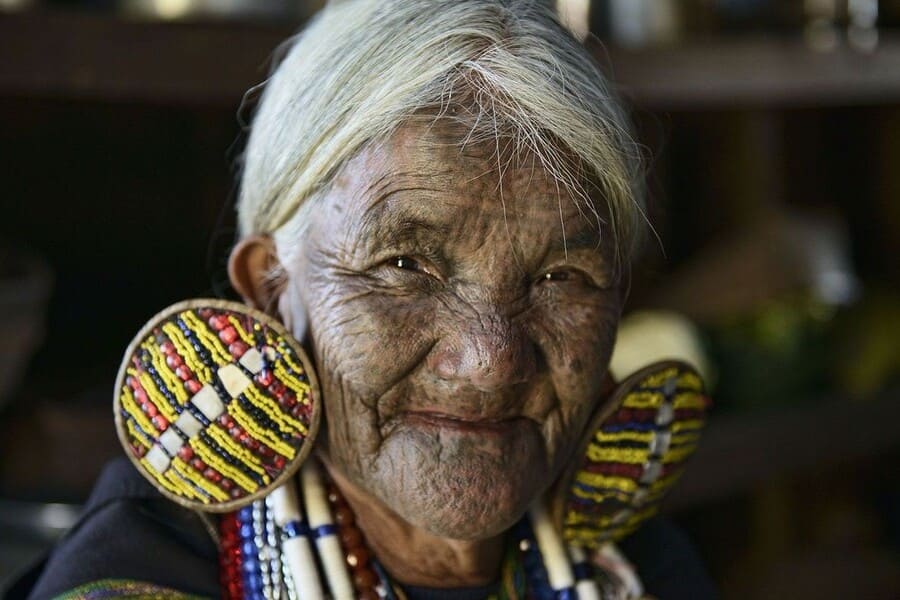
Few cultural traditions in Southeast Asia are as visually striking and historically layered as the facial tattoos worn by the Chin state tattooed women of Myanmar. For centuries, these intricate markings have defined identity, conveyed belonging, and told deeply personal stories etched into skin. Travelers who join myanmar tours that venture into the remote highlands of Chin State often describe their encounters with these extraordinary women as the most profound and humbling experiences of their journey. This article explores the origins, meaning, and present-day reality of one of Myanmar's most iconic and quickly disappearing cultural traditions.
Who Are the Chin State Tattooed Women?
The Chin state tattooed women belong to the Chin people, an ethnic group who inhabit the mountainous Chin State in western Myanmar, bordering India and Bangladesh. The Chin are not a single unified tribe but rather a diverse collection of sub-groups, each with their own dialect, customs, and tattoo designs. Villages scattered across the Mindat, Kanpetlet, and Mrauk U regions are home to the remaining women who still bear these remarkable facial markings.
Today, the oldest generation of tattooed women of myanmar are mostly in their seventies, eighties, and nineties. The youngest tattooed women are typically in their fifties, as the practice largely ceased in the mid-twentieth century. What remains is a living window into a tradition that shaped Chin identity for generations, making these encounters with myanmar tattooed women both rare and deeply meaningful for those fortunate enough to experience them.
The History of Chin State Tattooed Women
The history of Chin state tattooed women stretches back hundreds of years, though pinpointing an exact origin is difficult given the oral nature of Chin historical traditions. Archaeological evidence and accounts from early colonial-era British administrators suggest the practice was already well-established by the time British forces arrived in the late nineteenth century.
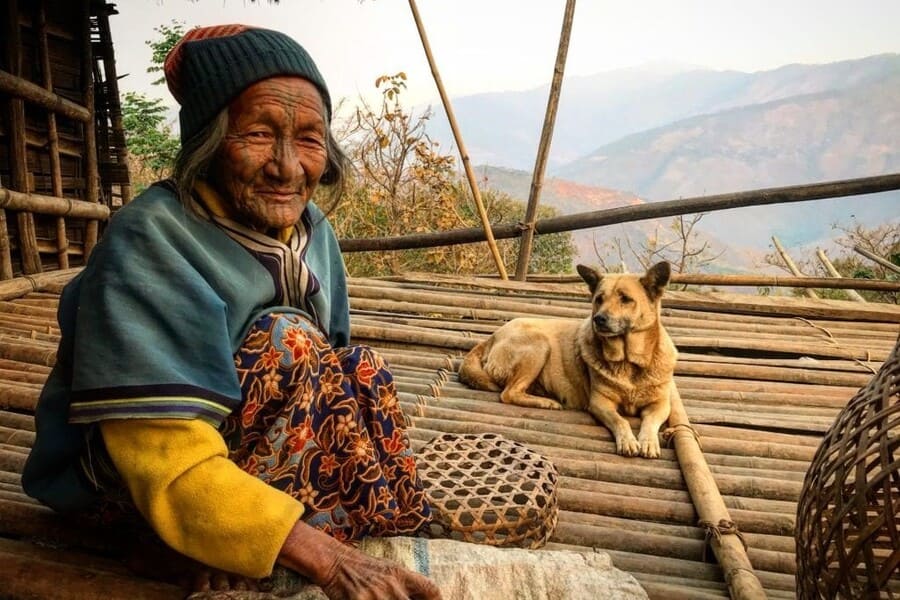
The British colonial administration, which annexed Chin State in 1896, viewed the tattoo tradition with a complicated mix of curiosity and disapproval. Some colonial records documented the practice ethnographically, while missionaries who arrived alongside British rule actively discouraged it as part of broader efforts to suppress indigenous customs. The decline of facial tattooing among the Chin is closely tied to Christian missionary influence, which grew substantially during the twentieth century. By the 1960s and 1970s, the practice had largely faded among younger generations, leaving today's elderly women as the final living bearers of this tradition.
Why Did Chin Women Receive Facial Tattoos?
Understanding the motivations behind Chin women tattoos requires stepping beyond Western assumptions about body modification. For Chin women, the tattoo was not a personal aesthetic choice in the modern sense. It was a deeply communal act woven into the fabric of identity, survival, and belonging.
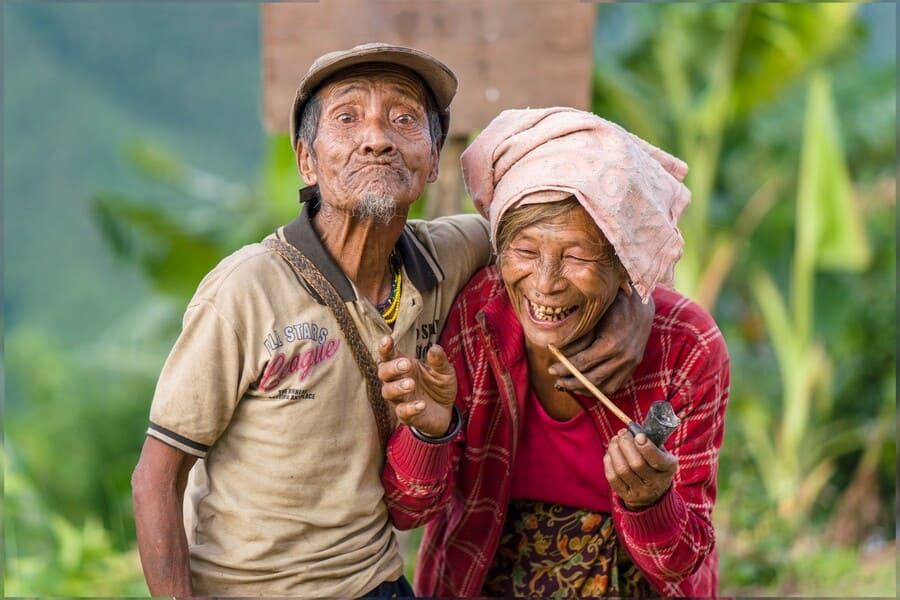
Traditional Beliefs and Cultural Significance
One of the most widely cited explanations among the Chin themselves is rooted in mythology and spiritual protection. Many Chin women recount stories passed down by their grandmothers explaining that facial tattoos in myanmar were first applied to make women less attractive to raiders and slave traders from rival kingdoms, particularly the Burman royalty and Arakan rulers who were known to take beautiful women from the highlands. By marking their faces, Chin women became, in a sense, invisible to outside predators.
Beyond this protective function, the tattoos held deep spiritual significance. They were believed to connect a woman to her ancestors and mark her as a rightful member of her tribe in the afterlife. Without the tattoo, some traditions held, a woman's spirit might not be recognized by her ancestors after death.
The Role of Beauty, Identity, and Social Status
In direct contrast to the protective-disguise theory, many anthropologists and the women themselves emphasize that Chin tribe tattoo tradition was also fundamentally about beauty. Within Chin communities, a tattooed face was considered the height of feminine attractiveness. A girl without tattoos might struggle to find a suitable husband, as the markings were seen as a sign of maturity, endurance, and full membership in her community.
The design of the tattoos also carried information about a woman's tribal affiliation and social standing. Different sub-groups used distinctly different patterns. The Y-shaped markings associated with the Yin women, the spider-web designs of the Magan, or the dense vertical lines worn by women from the Muun tribe each served as a visual declaration of identity. To those who could read them, Chin women tattoos were essentially a form of identification as precise as a surname.
How Facial Tattoos in Myanmar Were Traditionally Applied
The tattooing process was a significant ritual event, typically carried out by a specialist woman in the village who had inherited the skill from her predecessors. Understanding this process adds deeper respect for the endurance these women demonstrated.
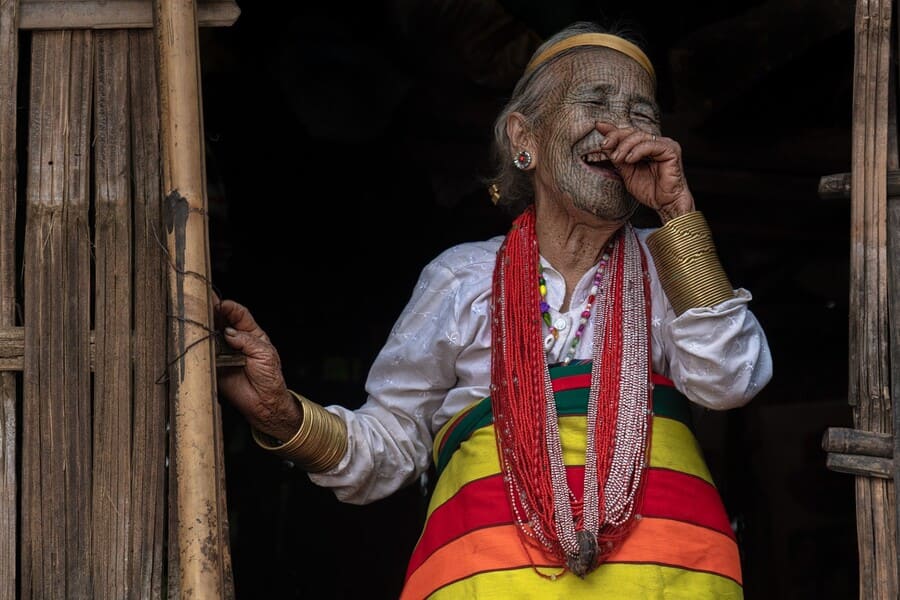
Tattooing Tools and Natural Inks
Traditional tattooing tools were remarkably simple. A sharp thorn or a bundle of thorns bound together formed the needle, while the ink was made from a mixture of natural plant sap, ash, and sometimes animal bile. The pigment was dark and permanent, designed to show clearly against the skin. The exact formula for the ink could vary from village to village, and some specialists guarded their recipes closely as part of their professional knowledge.
The Tattooing Process and Rituals
Before tattooing began, certain rituals were observed to invoke spiritual protection for the girl. The tattooist would often say prayers or make small offerings, acknowledging the gravity of the transformation about to take place. The ink was applied by repeatedly puncturing the skin with the thorn implement and rubbing the pigment into the wounds. Lines were drawn freehand, guided by years of experience and tribal convention rather than any template or stencil.
The entire process could take multiple sessions spread over days, depending on the complexity of the design and the tolerance of the girl being tattooed. Family members and village women typically gathered to provide encouragement and mark the occasion as a collective celebration.
Challenges and Pain Endured by Young Girls
Tattooing was typically performed on girls between the ages of five and fifteen, though the exact age varied among different tribes. The pain was significant and openly acknowledged. Women who speak about their tattooing experiences describe biting down on cloth, crying through the process, and relying on the encouragement of older women around them to endure.
Infection was a real risk in an era without antiseptics. The face would swell considerably in the days after tattooing, and recovery required careful management with herbal remedies. Despite these hardships, refusal was rarely an option. The social pressure to receive the tattoo was enormous, and a girl who avoided it risked permanent marginalization within her community.
Where to Meet Chin State Tattooed Women Today
Meeting the remaining Chin state tattooed women requires genuine effort and cultural sensitivity. These women live primarily in villages across central Chin State, with the areas around Mindat and Kanpetlet offering the most accessible encounters for travelers.
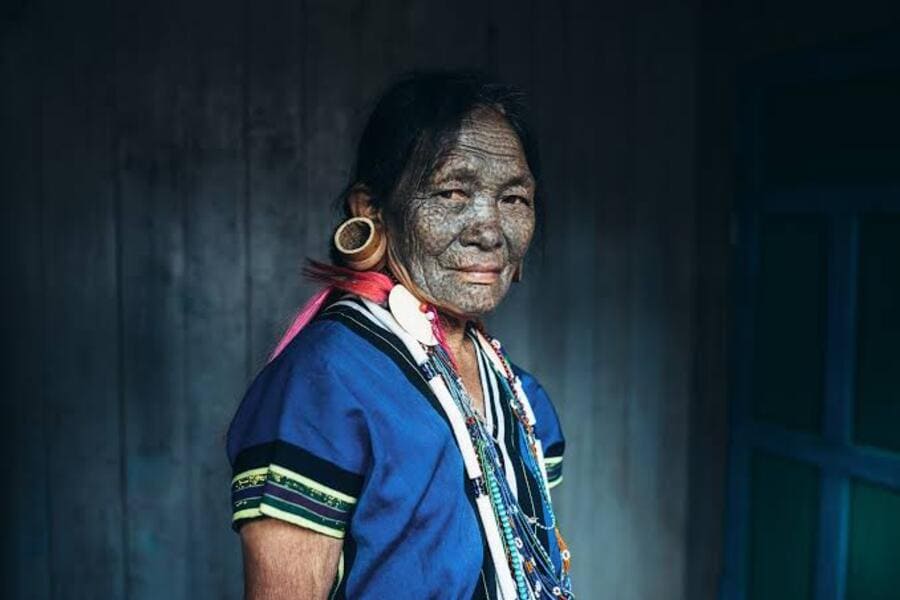
The village of Mindat, accessible by road from Bagan or Magway, serves as a common base for exploring surrounding communities. Several villages within a day's drive are home to elderly tattooed women who are generally welcoming to respectful visitors. The Mrauk U region in Rakhine State also has communities of Chin descent where tattooed women of myanmar can sometimes be met, though access to Rakhine State requires careful attention to current travel advisories.
When visiting, hiring a local guide is strongly recommended. A knowledgeable guide can facilitate introductions, translate, and help travelers understand the appropriate etiquette. Offering a small gift of food, medicine, or a monetary contribution directly to the woman or her family is customary and appreciated. Photography should always be requested with genuine permission, not assumed.
Responsible travel operators who specialize in cultural experiences in Myanmar can arrange homestays and guided village visits that benefit local communities directly. Traveling with ethical operators ensures that visits to these communities contribute positively to the lives of the women and families involved, rather than reducing them to tourist spectacles.
Frequently Asked Questions About Chin State Tattooed Women
Are facial tattoos in Myanmar still practiced today?
No. Facial tattoos in myanmar among the Chin people are no longer practiced. The tradition effectively ceased in the mid-to-late twentieth century, largely due to Christian missionary influence, changing social values, and the prohibition of the practice by both colonial and post-independence governments. The remaining Chin state tattooed women are elderly, and no young women in Chin State today bear facial tattoos. This means the tradition will disappear entirely within a generation.
What do Chin women tattoos symbolize?
Chin women tattoos carry multiple layers of meaning depending on the tribe and individual family tradition. They symbolize tribal identity, maturity, beauty, spiritual protection, and connection to ancestors. The specific design pattern often indicates which sub-group a woman belongs to and can communicate information about her social status. In a broader sense, the tattoos represent a form of living cultural heritage, carrying centuries of collective memory on each woman's face.
Why were Chin women traditionally tattooed?
Chin women were tattooed for a combination of reasons including protection from slave raiders, demonstration of beauty and eligibility for marriage, spiritual connection to ancestors and the afterlife, and declaration of tribal identity. The relative importance of these factors varied between tribes and time periods. Most contemporary scholars and the women themselves suggest that beauty, identity, and belonging were the primary motivations, with the protection narrative being one explanation among several that coexisted within Chin communities.
Can travelers visit tattooed women in Chin State?
Yes, travelers can visit communities in Chin State where elderly myanmar tattooed women still live. Access requires a permit for certain areas of Chin State, which can be arranged through licensed tour operators in Myanmar. The journey to these highland communities is rewarding but requires planning. Travelers should approach visits with cultural respect, avoid treating encounters as purely photographic opportunities, and work with reputable local guides who maintain ethical relationships with the communities they visit.
Which Chin tribes are known for facial tattoos?
Several Chin sub-groups are known for distinct Chin tribe tattoo tradition styles. The Yin, Magan, Muun, Daai, and Matu are among the most widely documented. Each group uses different patterns: the Daai women are known for dense, layered dot and line patterns across the entire face; the Muun wear bold vertical stripes; and the Matu tattoos feature intricate floral and geometric motifs. These differences reflect the rich internal diversity of the Chin people and make each encounter with a Chin state tattooed women a uniquely personal and culturally specific experience.
The Chin state tattooed women represent far more than an unusual cultural curiosity. They are living custodians of a tradition that speaks to resilience, identity, beauty, and belonging on terms entirely their own. As the last generation of tattooed women ages, the urgency of bearing respectful witness to this heritage has never been greater. For travelers willing to make the journey into the highlands of western Myanmar, meeting these women offers an encounter with history that no museum can replicate.